PVC and PE Hose Buying Guide
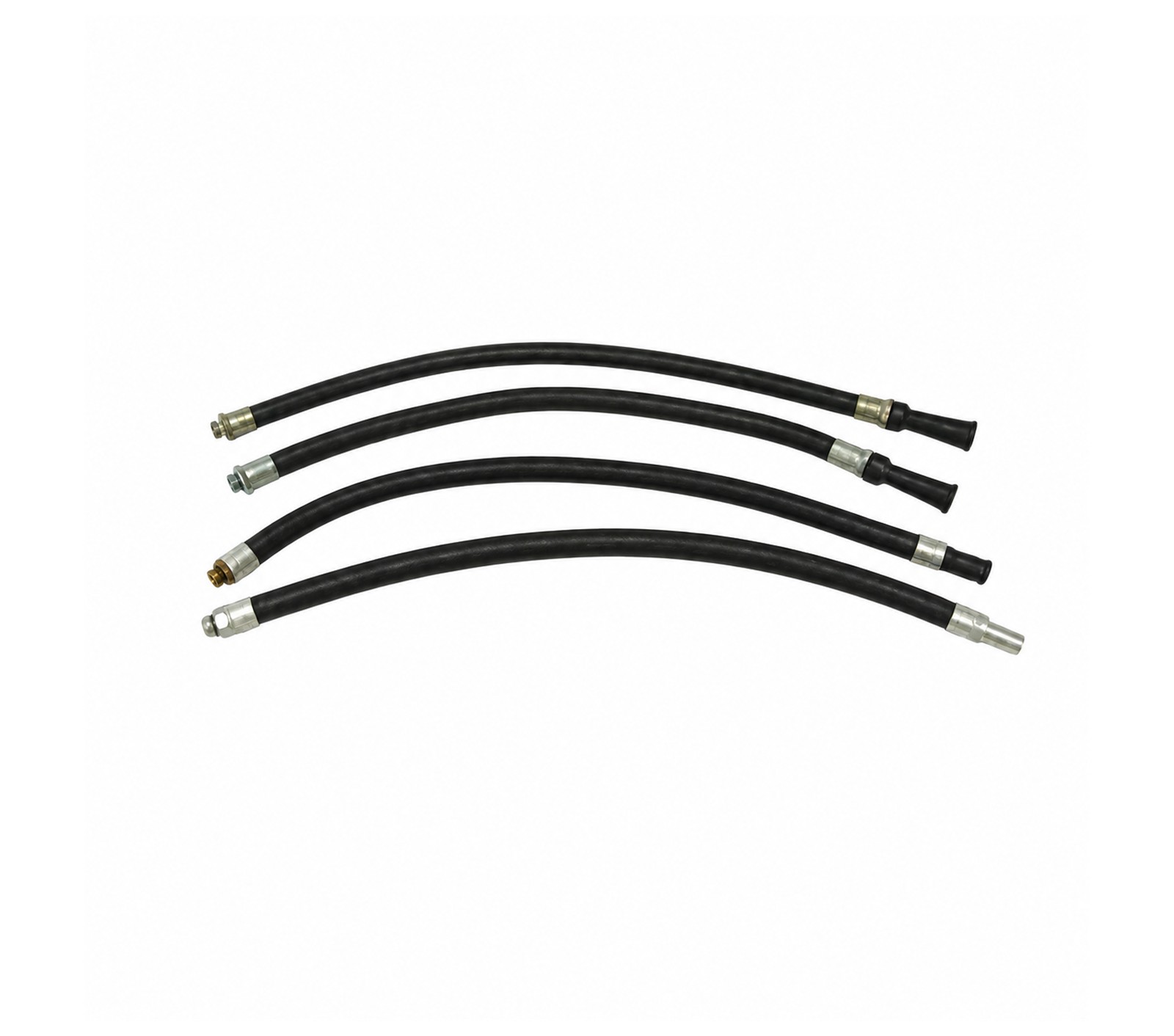
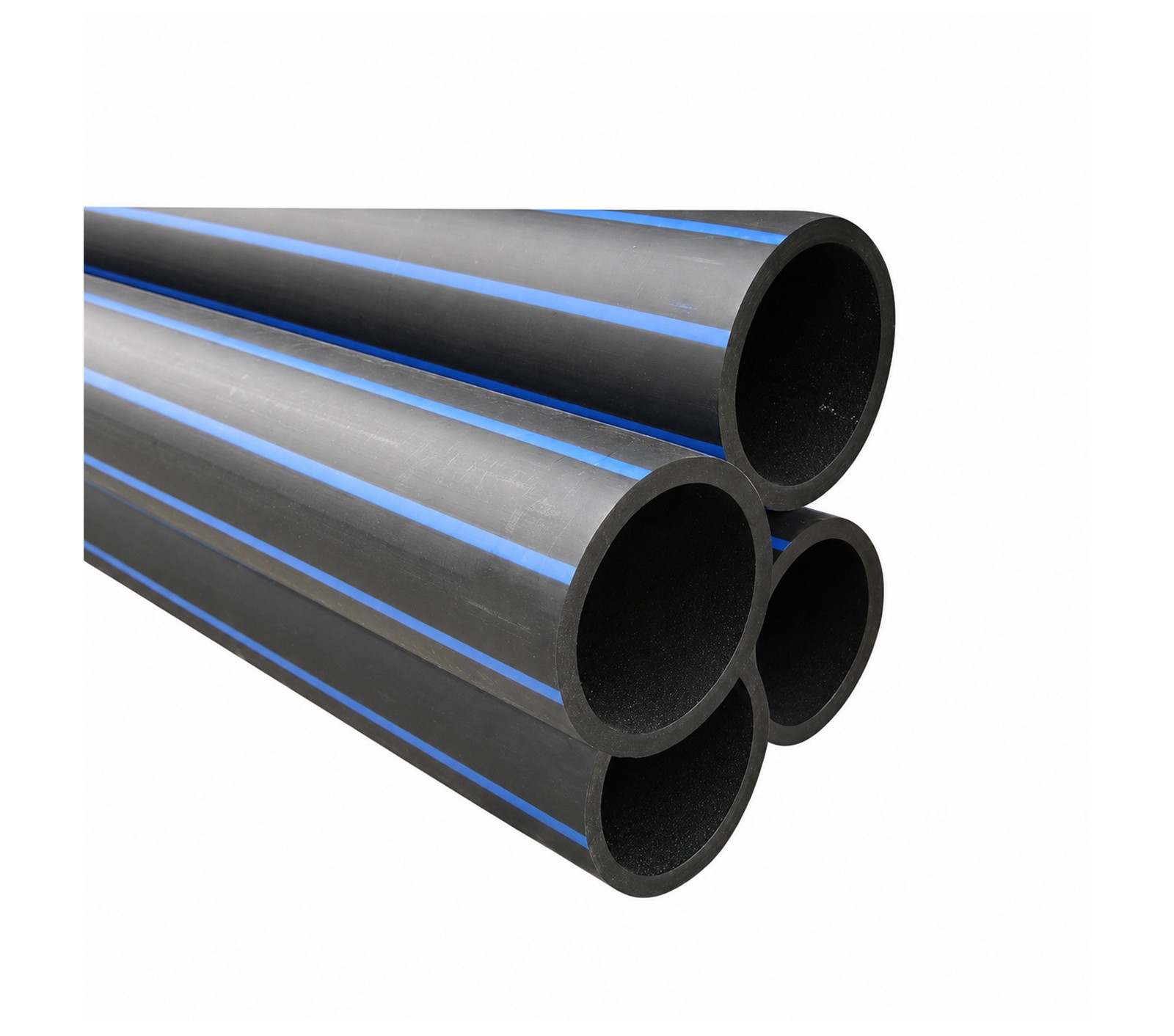
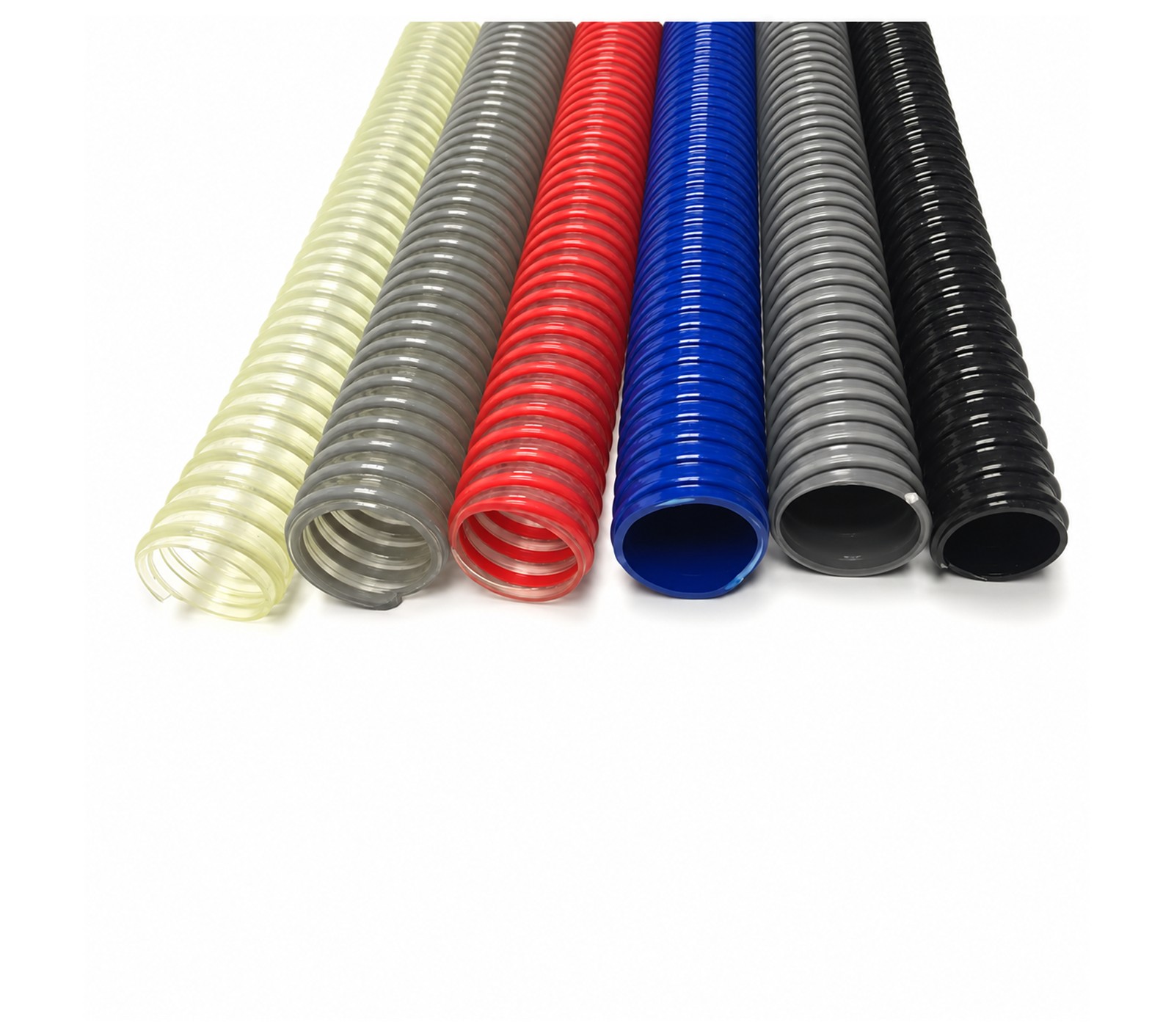
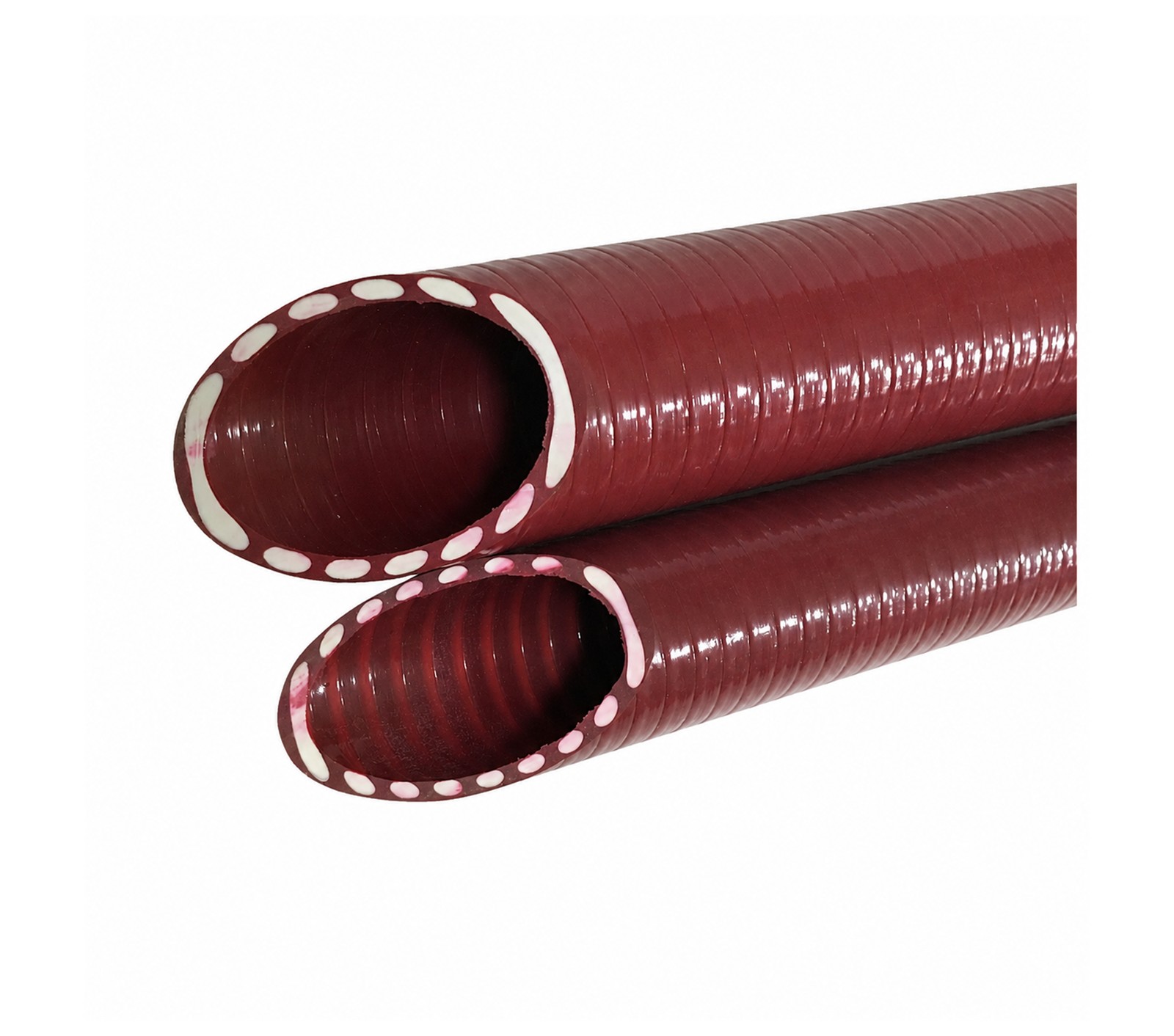
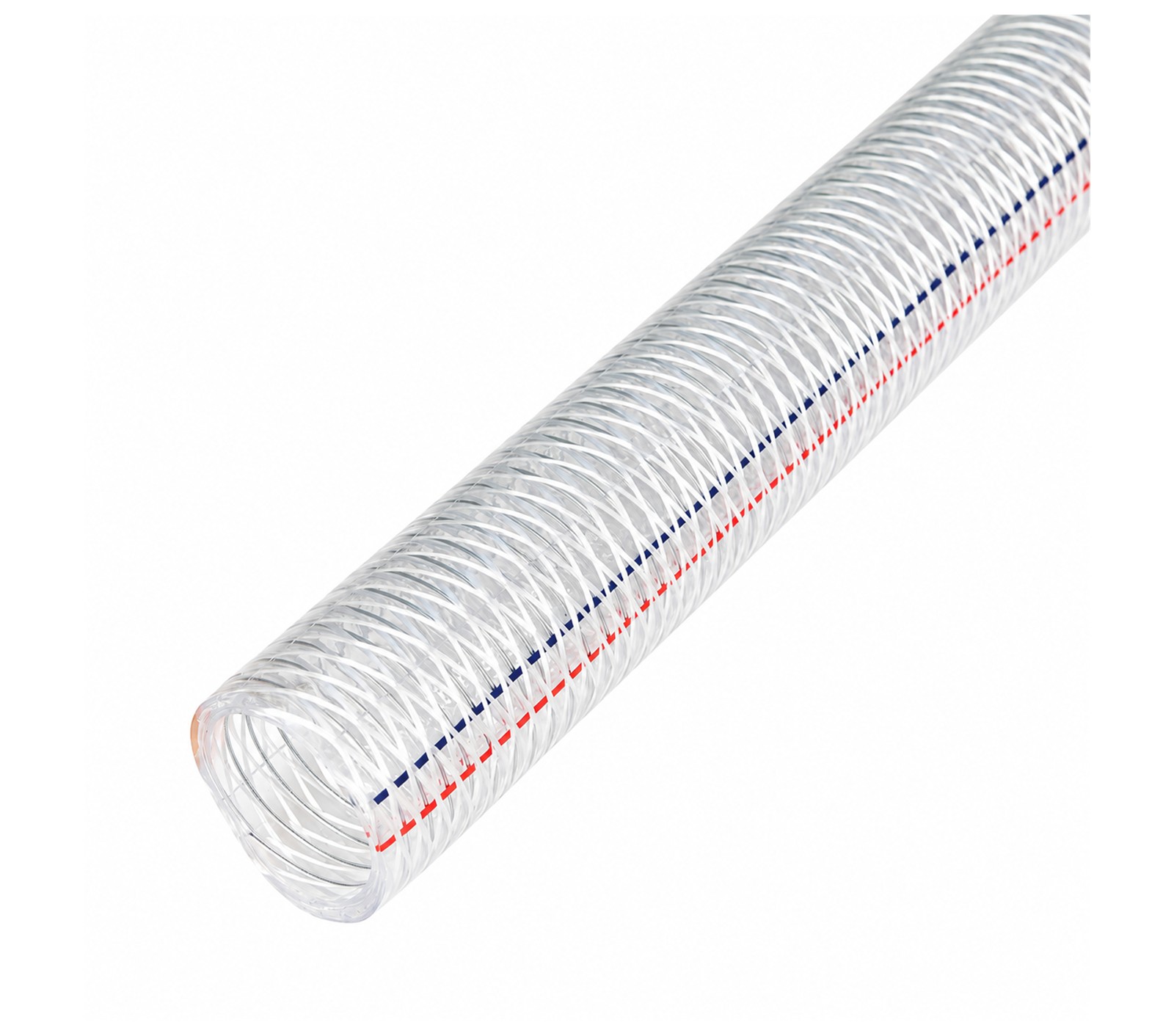
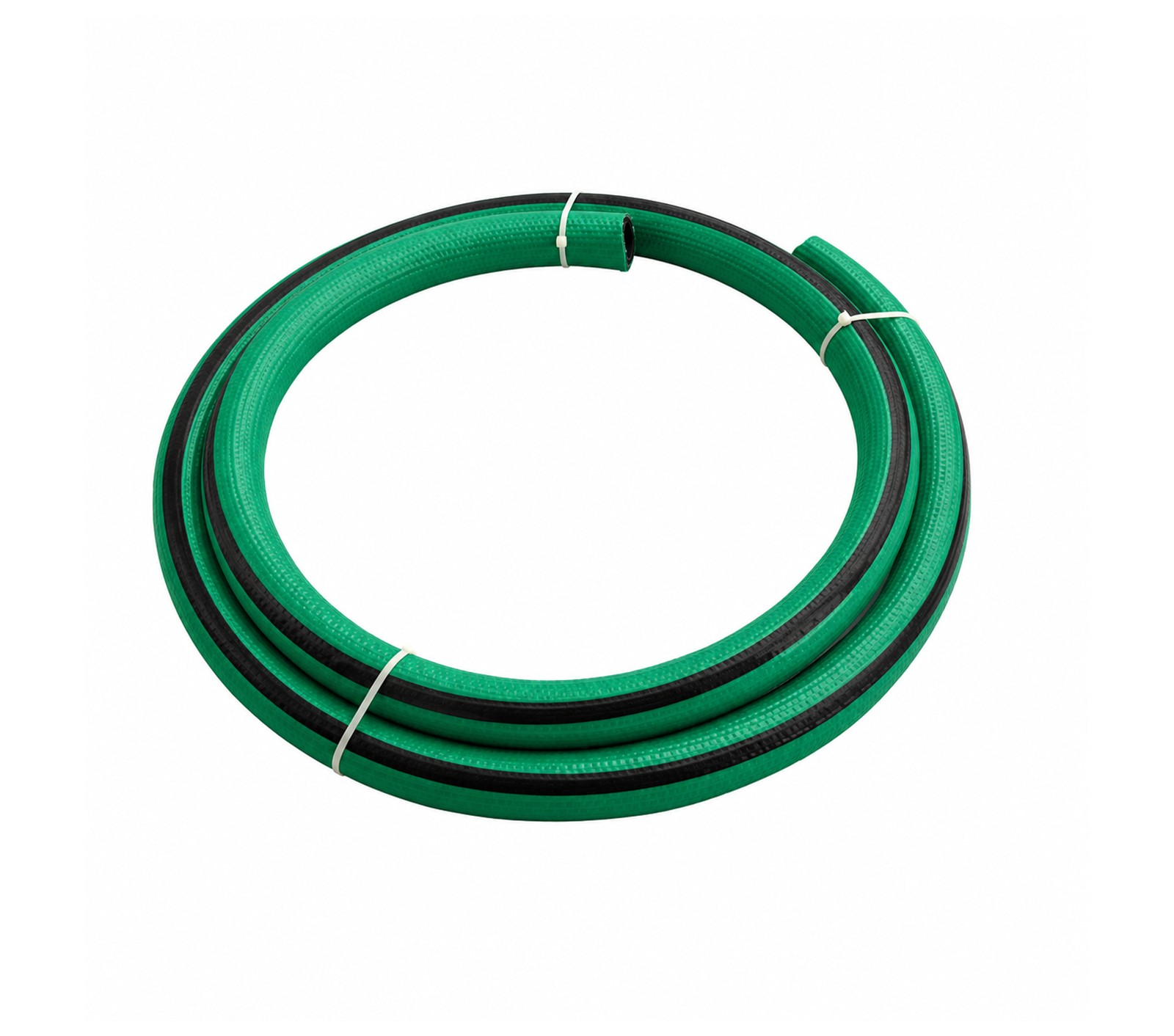
Choosing a PVC or PE hose starts with the actual application. A transparent spiral suction hose, a collapsible irrigation line and a textile-reinforced gas hose can have similar outside dimensions while serving very different purposes. Begin with the conveyed medium, required flow, operating pressure and installation environment. Use the individual product pages to compare the appropriate schedule. A category photograph identifies a product family; it does not establish the pressure rating or suitability of every product in that family.
Separate the construction from the application
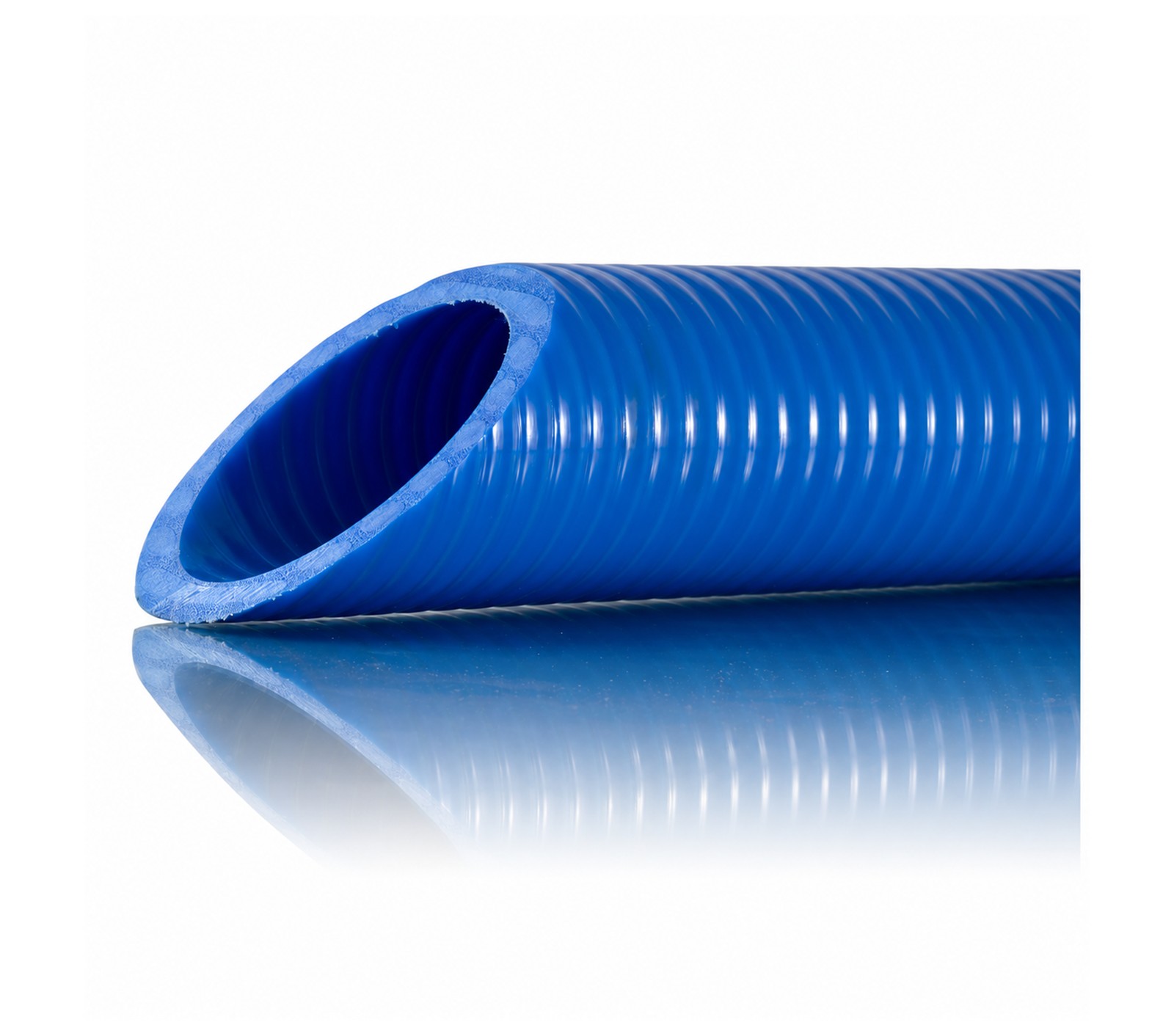
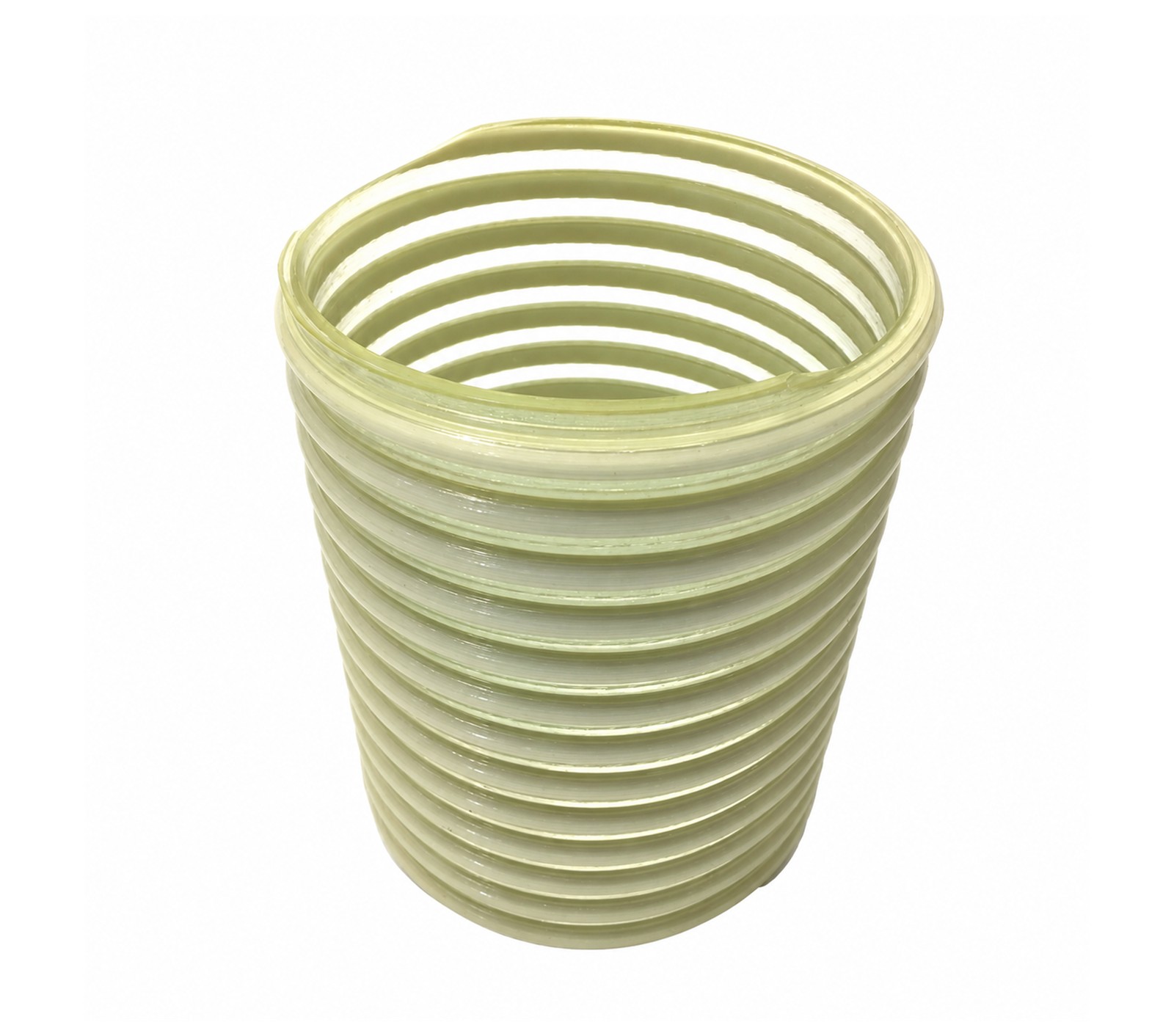
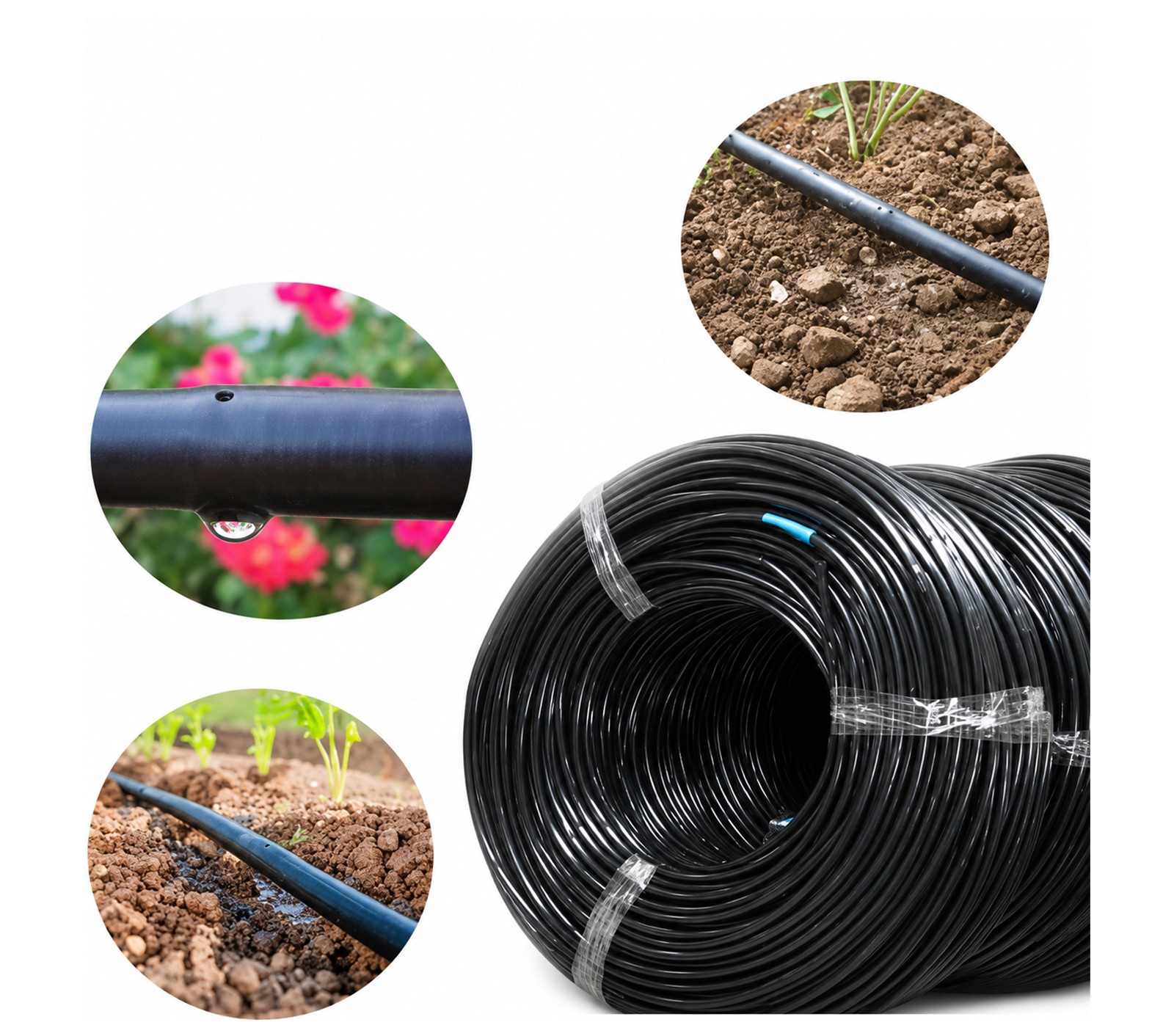
PVC suction hoses may use a rigid helix, steel wire, textile reinforcement or a combination of these elements. PE irrigation products include pipe, drip lines, spray tape and layflat constructions. Garden hoses have different handling requirements again. Identify the exact construction before comparing prices. Where the reference description lists more than one material or reinforcement option, ask which version is offered. Do not assume that oil resistance, food-contact suitability or gas compatibility transfers from one hose to another.
Check diameter and wall thickness
Record both the inside diameter and outside diameter. The bore influences flow, while the outside diameter and wall thickness affect fitting selection and retention. Some schedules offer two wall thicknesses for the same nominal bore. These are separate options and may have different pressure ratings, weights or bending behaviour. For irrigation pipe, distinguish a diameter-by-wall designation from a single outside-diameter value. Send the mating connector dimensions when the hose must fit an existing system.

Read pressure and vacuum data separately
Working pressure is the relevant operating reference. Burst pressure describes a different test condition and must not be treated as an allowable working pressure. A vacuum figure does not establish a positive-pressure rating. Confirm whether vacuum is expressed as a gauge value or on another basis and identify the test temperature. Where a source table contains conflicting units or repeated values, resolve the discrepancy with the actual supply specification before ordering. Do not select a hose using a value marked for confirmation.
Confirm temperature and medium compatibility
Temperature can change the performance of a flexible hose. Request the normal and maximum service temperatures, including cleaning or occasional exposure conditions, and confirm the applicable pressure derating. The medium may also contain additives, particles or blends that require a specific compound. Food, beverage, fuel and gas services need product-specific documentation. Colour and a general material name do not demonstrate approval. If the source does not provide a verified temperature range or compliance document, request it rather than adopting a value from a different product.
Plan routing and handling
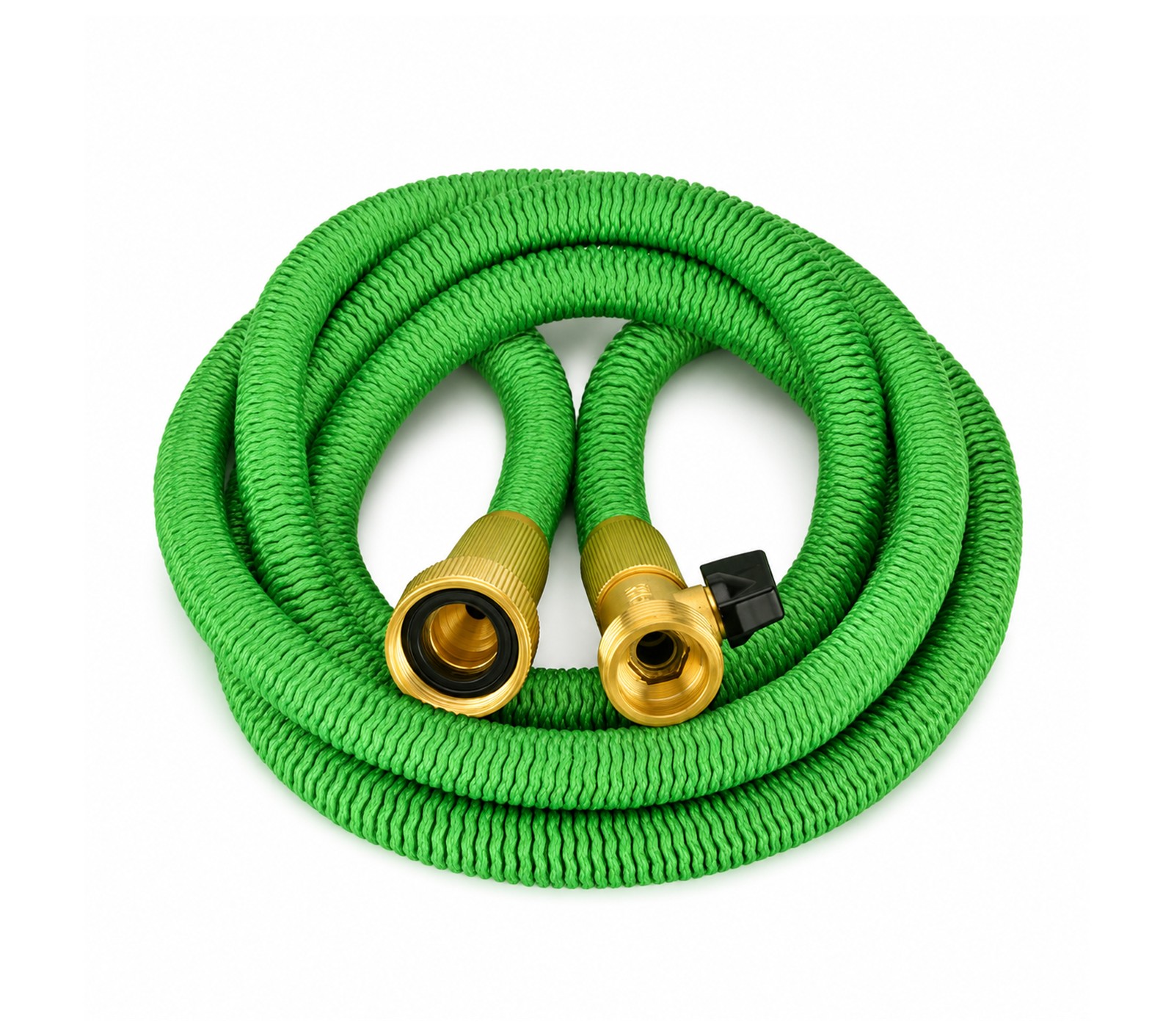
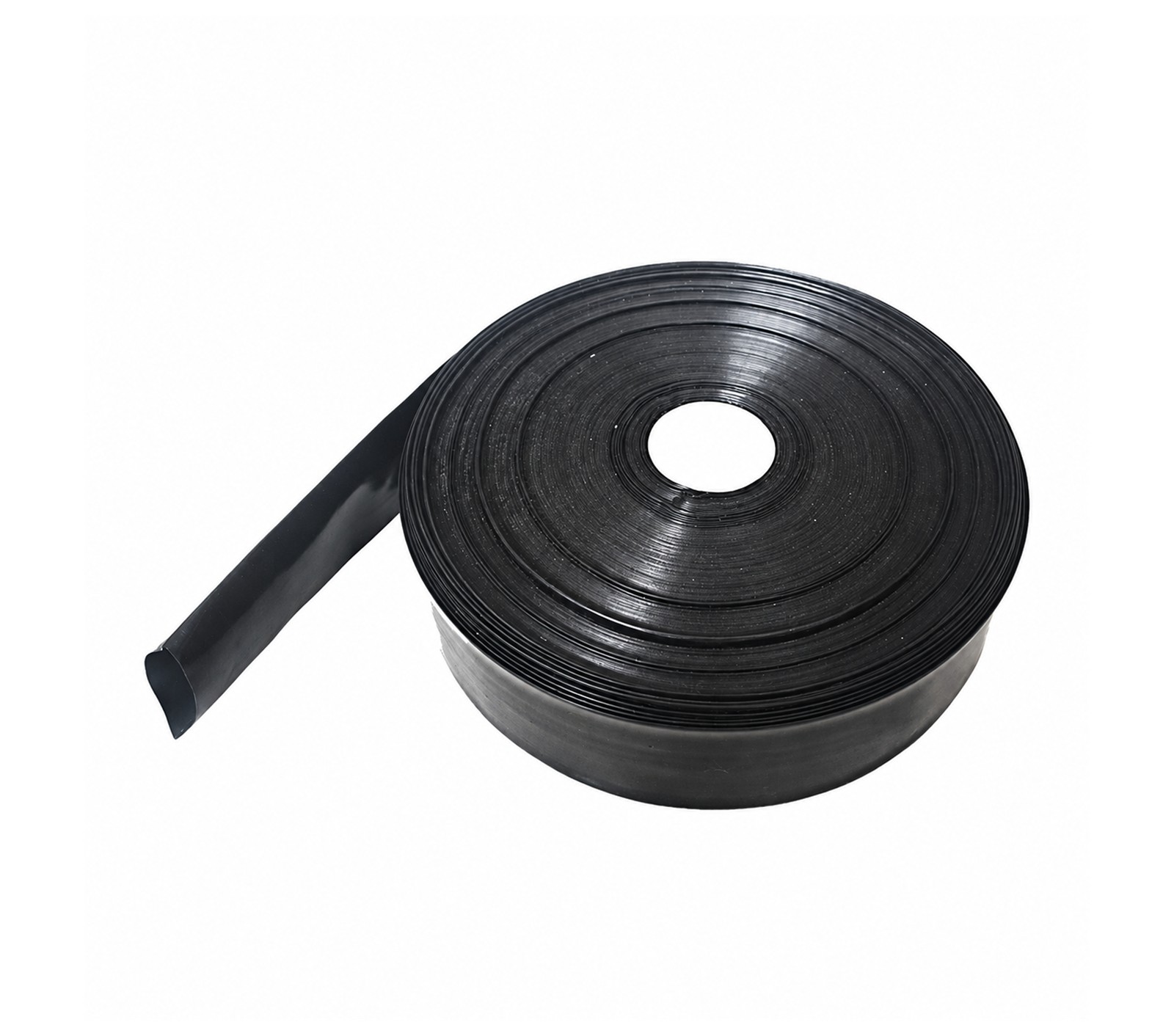
Measure the installed route and allow for movement, connection positions and the required bend radius. A hose that bends too tightly can restrict flow or place stress on the reinforcement. Protect the line from sharp edges and repeated abrasion. For layflat hose, distinguish the stored flattened form from its working shape. For expandable garden hoses, confirm whether the quoted length describes the relaxed or extended condition. For irrigation lines, use the layout, flow and supply conditions to determine the required system arrangement.
Match fittings and complete assemblies
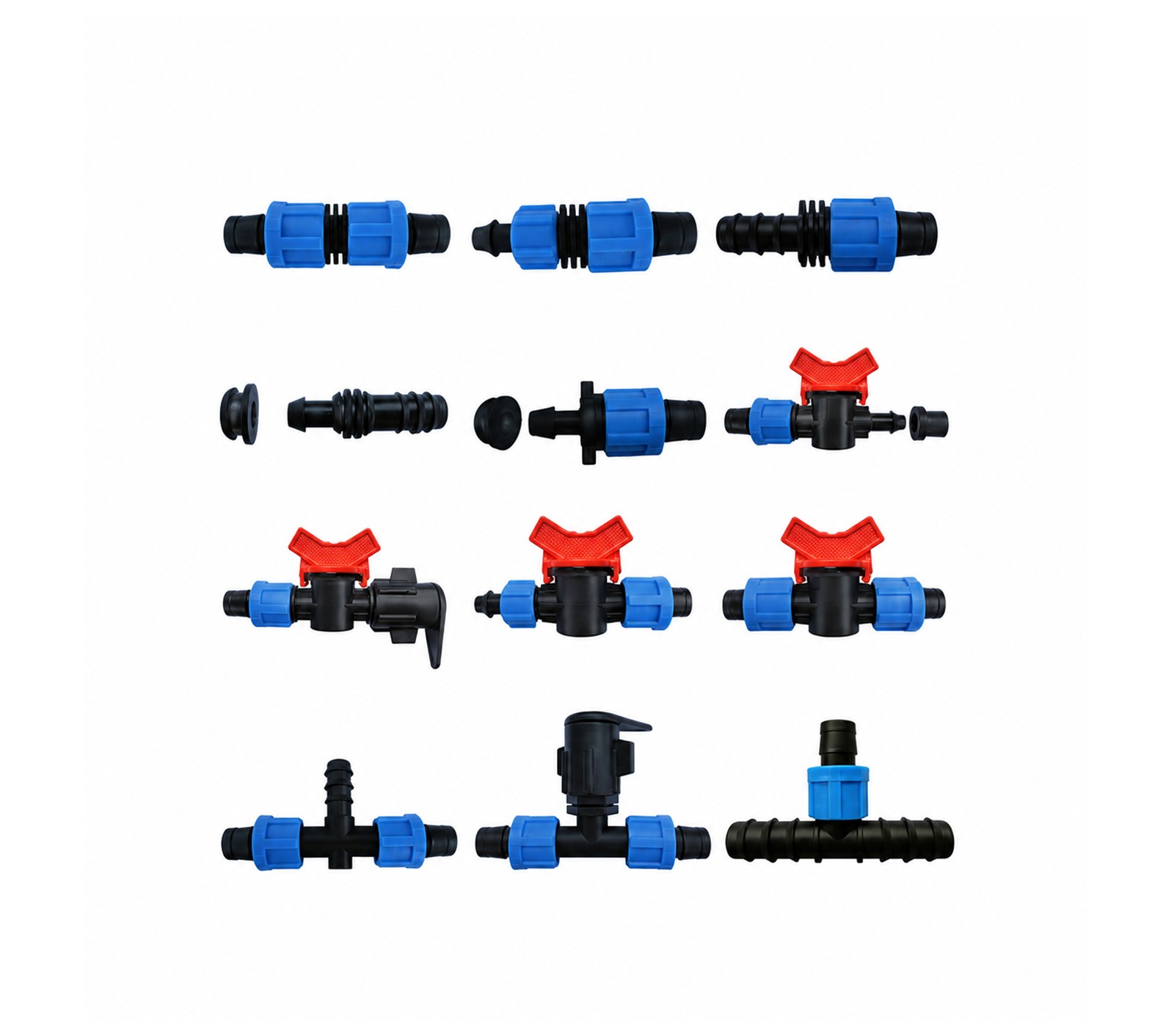
Specify the fitting type, thread or mating connection, hose dimensions and retention method. Check the complete assembly rather than considering only the hose wall. Coupling materials, seals and retention components must suit the conveyed medium and service conditions. For gas-related products, request the specific hose and assembly identification and approval required by the equipment. For irrigation products, confirm the compatibility of connectors and emitters with the selected pipe or tape dimensions.
Prepare an enquiry that can be checked
Send the product name, construction, bore, wall or outside diameter, medium, operating pressure, temperature, installed length and quantity. Include the required end connections and any relevant test or approval documentation. State whether roll length, packing dimensions or weight are important for handling and transport. Photographs and existing part references can help identify the family, but they do not replace a confirmed specification. Contact Fronteck with these details to review the required supply configuration.