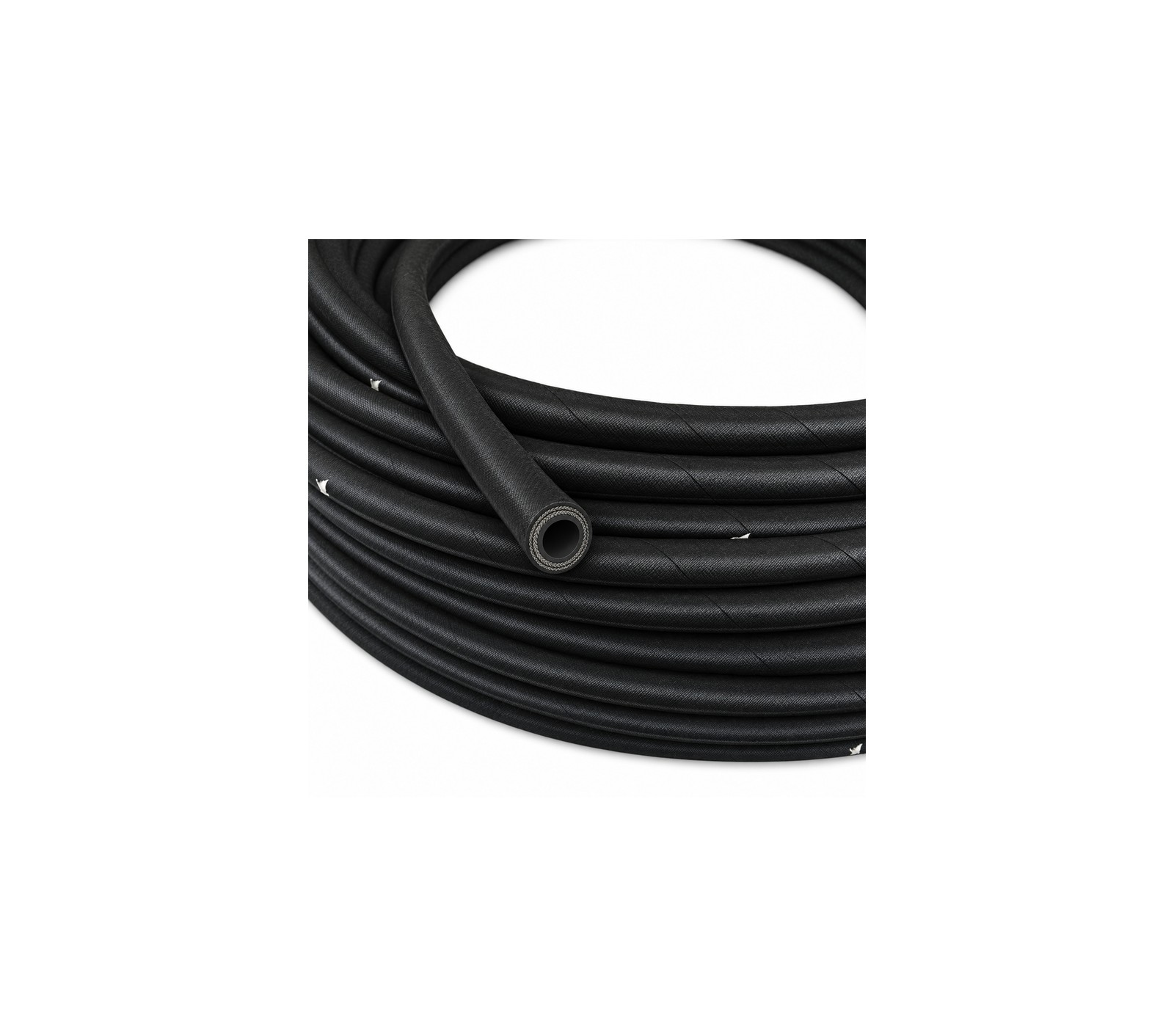
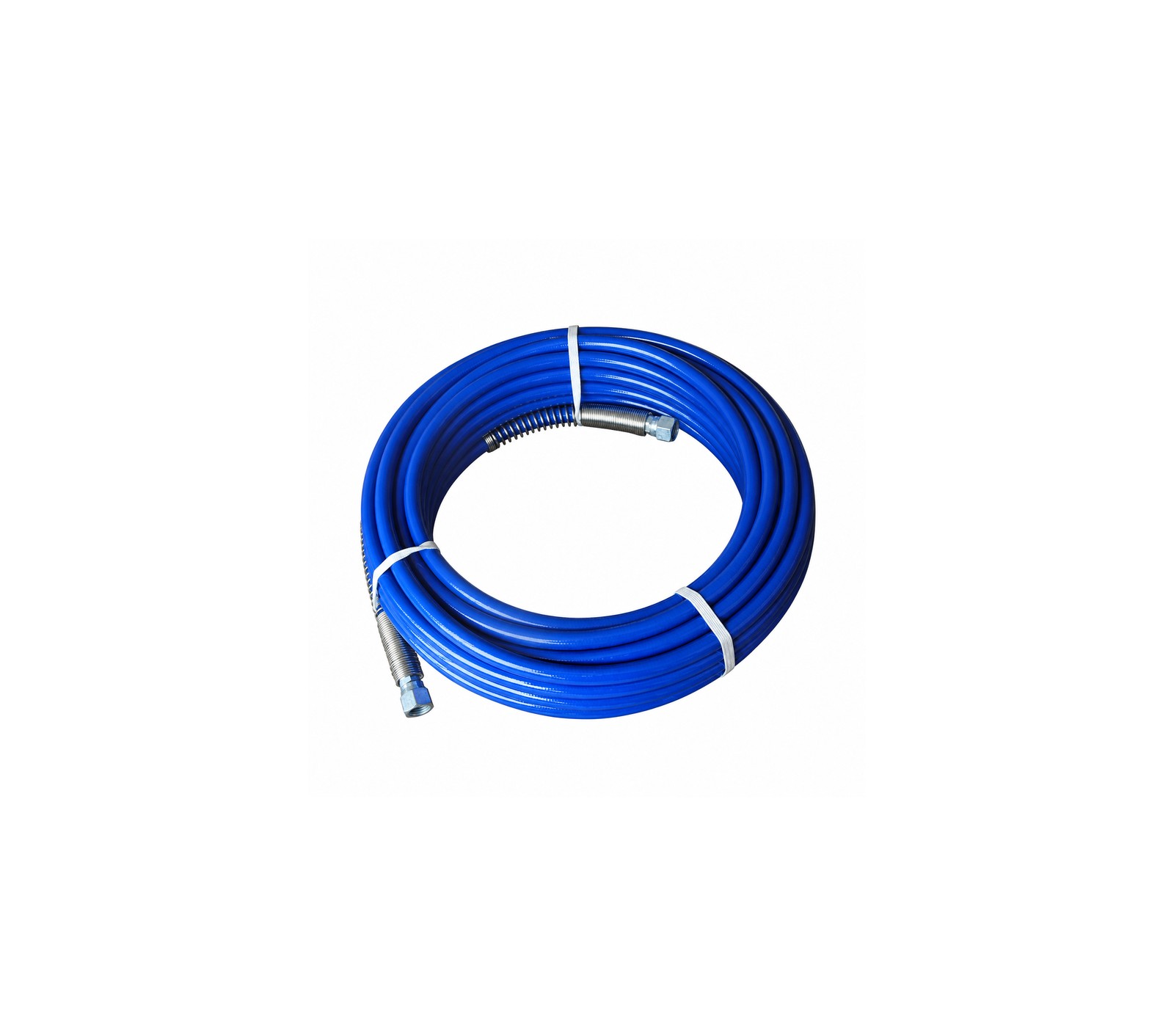
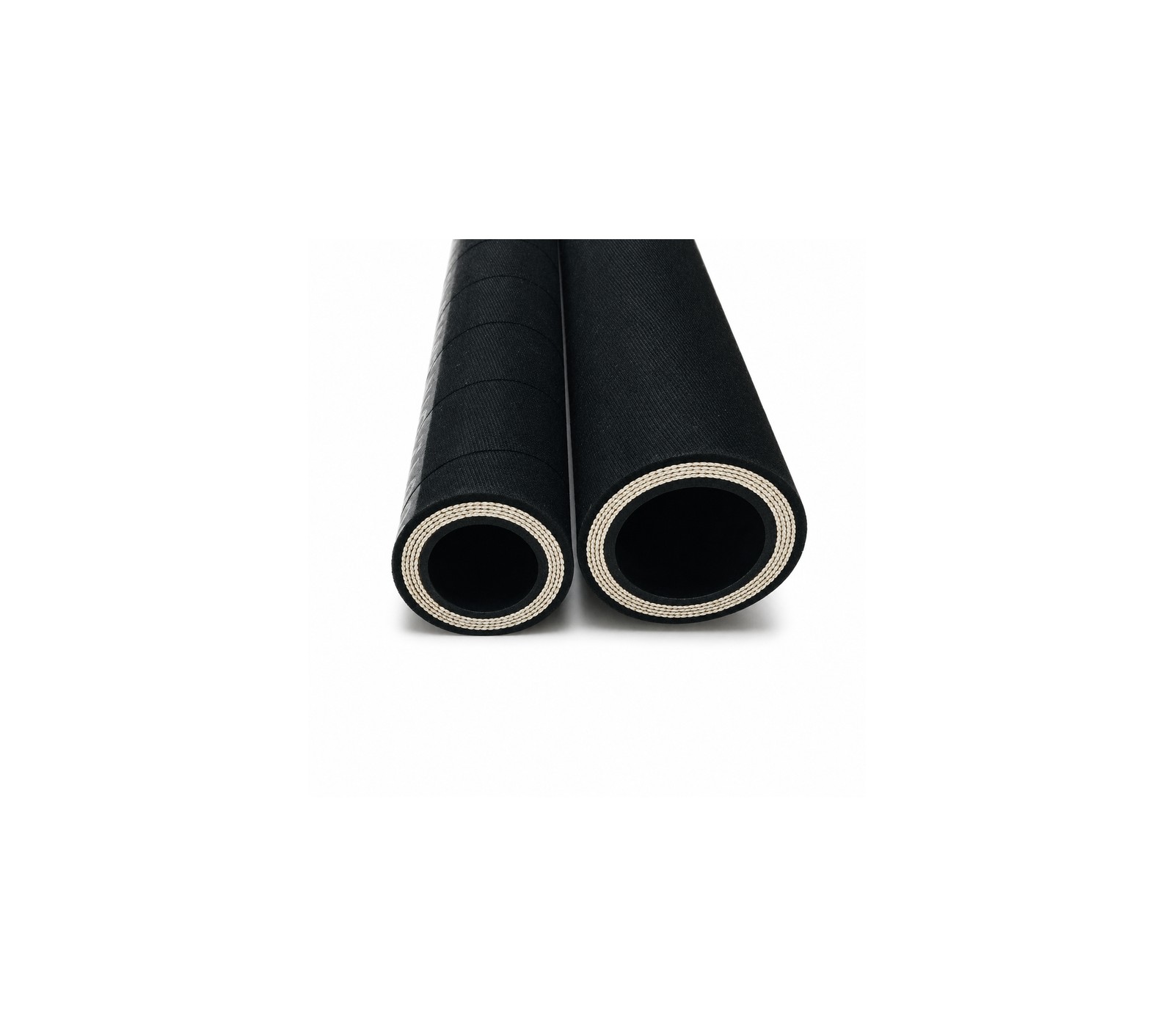
Hydraulic Hose Buying Guide
A hydraulic hose is selected as part of a complete fluid-power system. Its bore, reinforcement, inner-tube material, end connections and installed route all influence whether it is suitable for a particular duty. Start with the actual operating conditions rather than the appearance of the hose or a broad pressure description. This category presents 25 hydraulic and specialist hose products, each with its own detail page and reference schedule. Compare wire-braid, textile, spiral, thermoplastic, PTFE, metal, pressure-testing and paint-spray constructions by their actual service requirements.
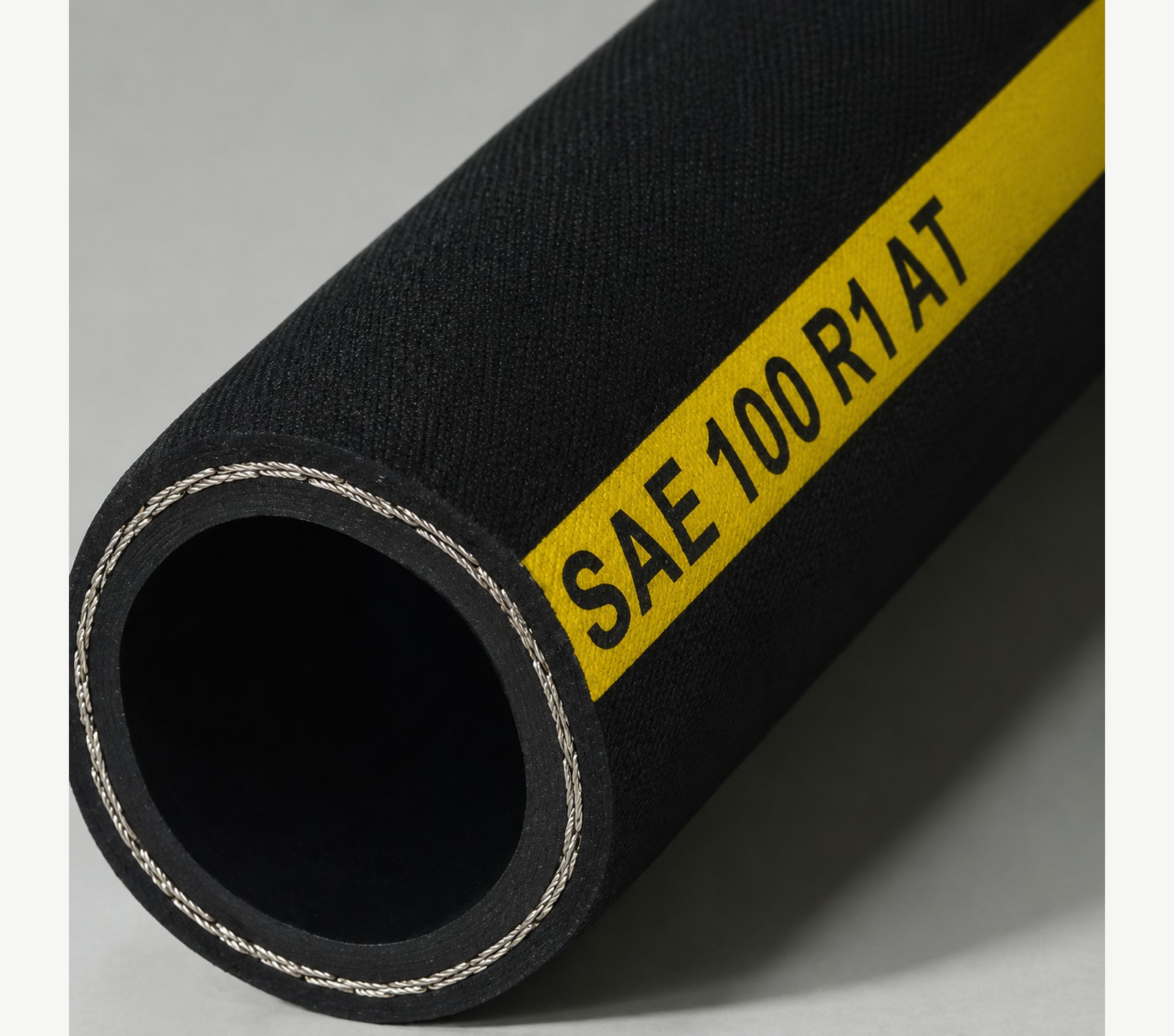
Define the fluid and operating conditions
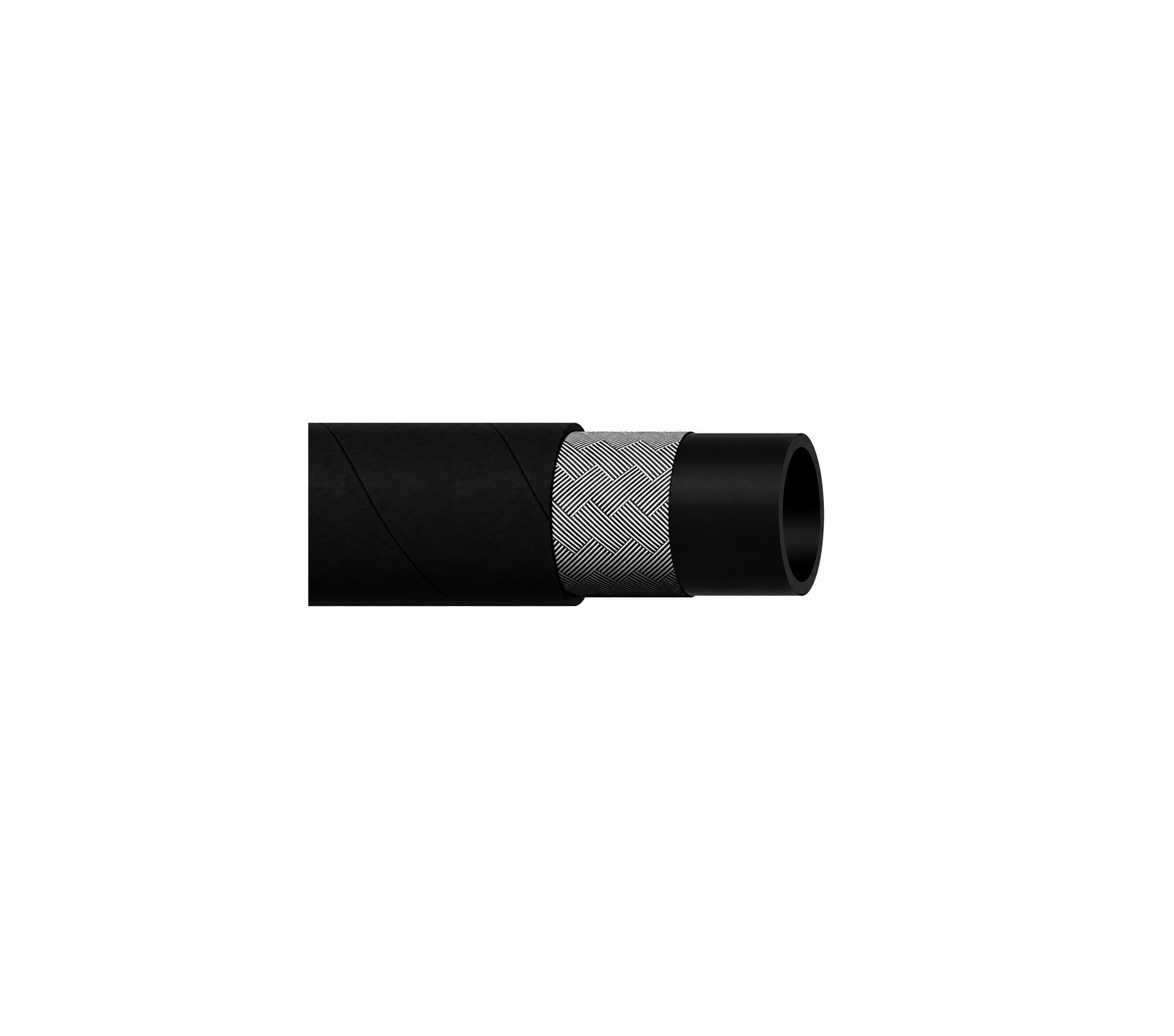
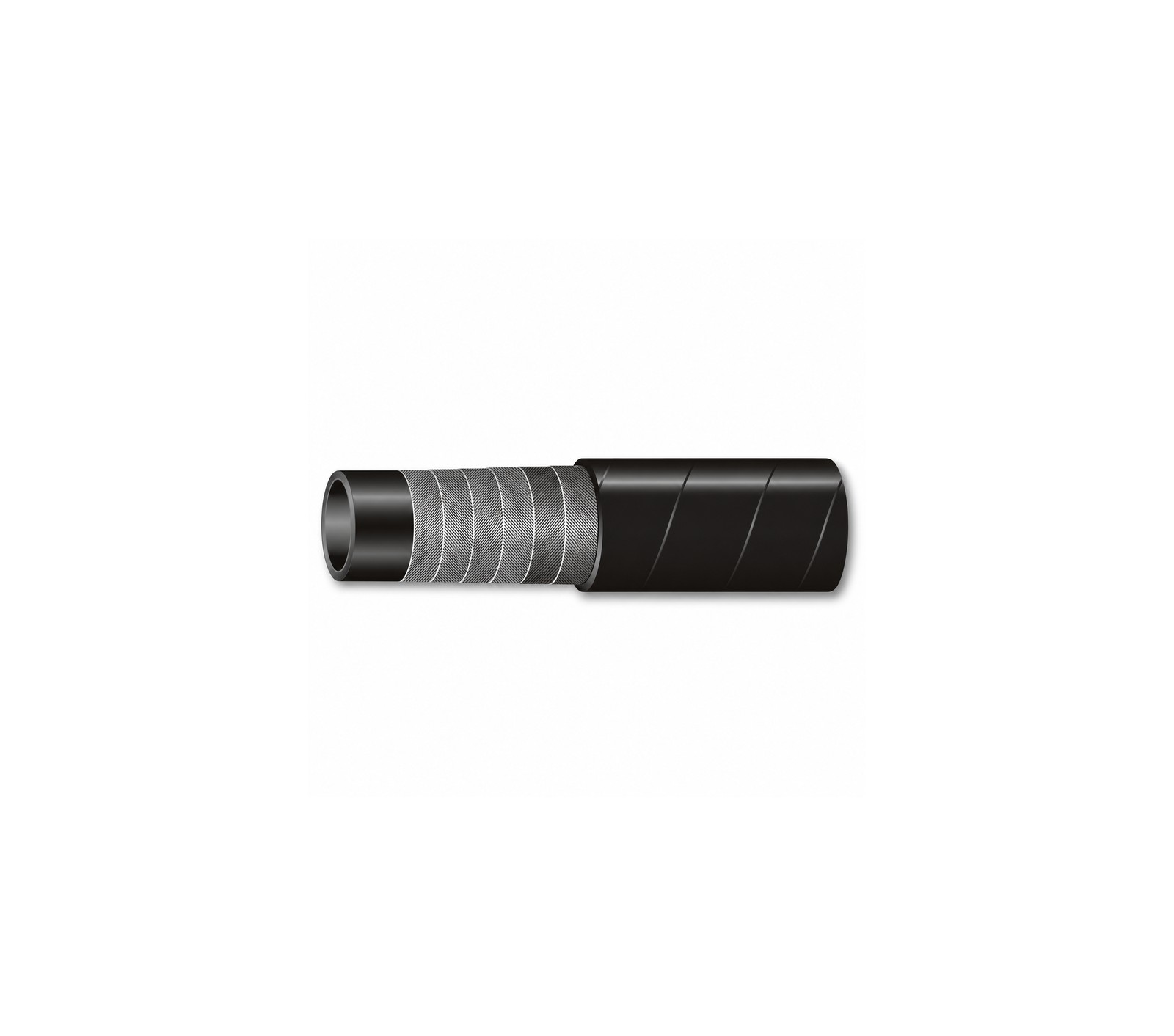
Identify the hydraulic fluid before choosing the tube material. For example, the R1 reference construction uses an oil-resistant NBR inner tube, but a general material description does not establish compatibility with every oil, additive or cleaning agent. Include the fluid name, concentration where relevant, normal temperature and any short-duration temperature peaks in the enquiry. The R1 reference temperature range is -40°C to +100°C; other constructions must be checked on their own detail pages. The allowable conditions of a finished assembly may be narrower because fittings, seals, fluid compatibility and installation conditions must also be considered.
Match pressure to the selected bore
Working pressure is size-specific. In the reference table, the smallest 5 mm nominal bore is listed at 25 MPa, while the 51 mm nominal bore is listed at 4 MPa. The figures between these sizes also vary. Never apply the highest figure to the whole product family. Describe normal operating pressure, possible pressure peaks and the duty cycle so the correct hose size and assembly can be evaluated. Burst pressure is a separate reference value and must not be treated as an allowable operating pressure.
Choose the bore around the system requirement
The R1 example range includes nominal bores of 5, 6.3, 8, 10, 12.5, 16, 19, 25, 31.5, 38 and 51 mm. The catalogue also gives corresponding inch sizes. Confirm whether a drawing specifies nominal bore or a measured internal dimension, and use a consistent unit system. Required flow, acceptable pressure loss, the existing ports and the physical installation all affect the choice. A larger hose is not automatically a suitable replacement, because its pressure rating, fitting size, weight and routing requirement can differ.
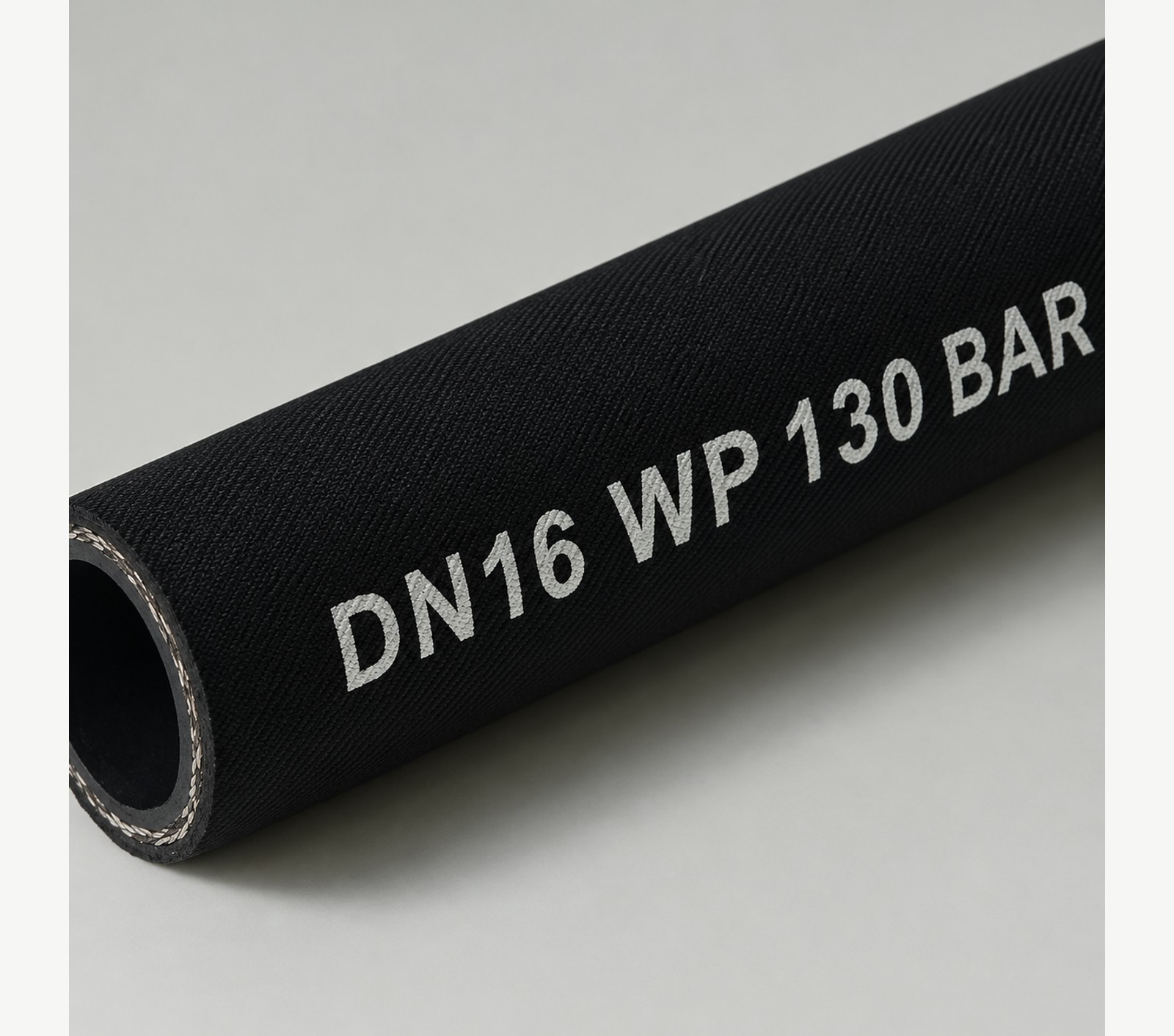
Review bend radius and installed routing
For the R1 example, the reference minimum bend radius rises from 90 mm for the smallest size to 630 mm for the largest. Check the individual row for the chosen bore. Measure the available route, allow for equipment movement and avoid twisting the hose during installation. End-fitting orientation matters when one or both ends are angled. Include any abrasion points, nearby heat sources, supports or protective sleeve requirements in the specification. The finished assembly length should be defined using an agreed measurement method, particularly when it includes elbows or special end connections.
Confirm the assembly and supplied scope
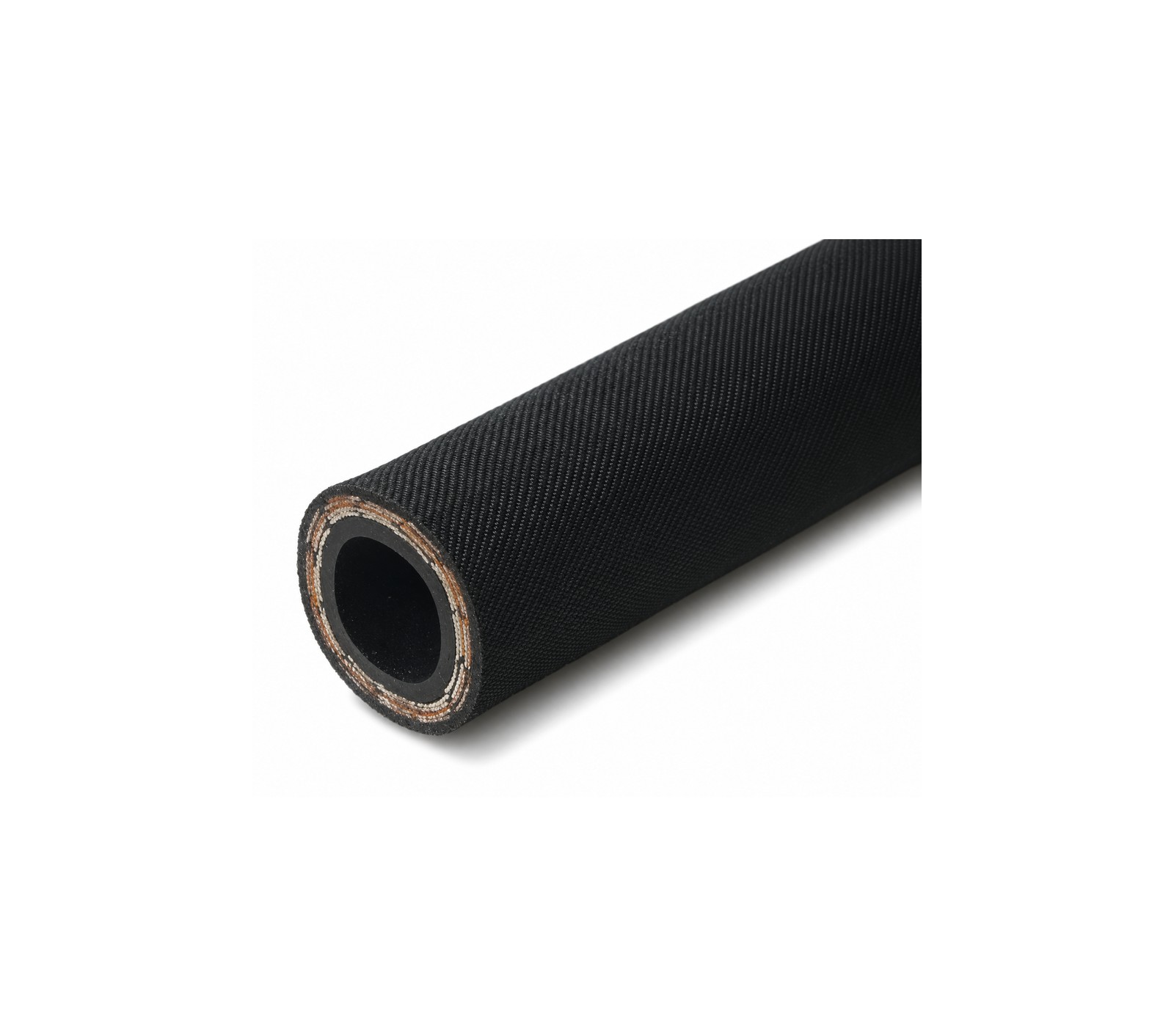
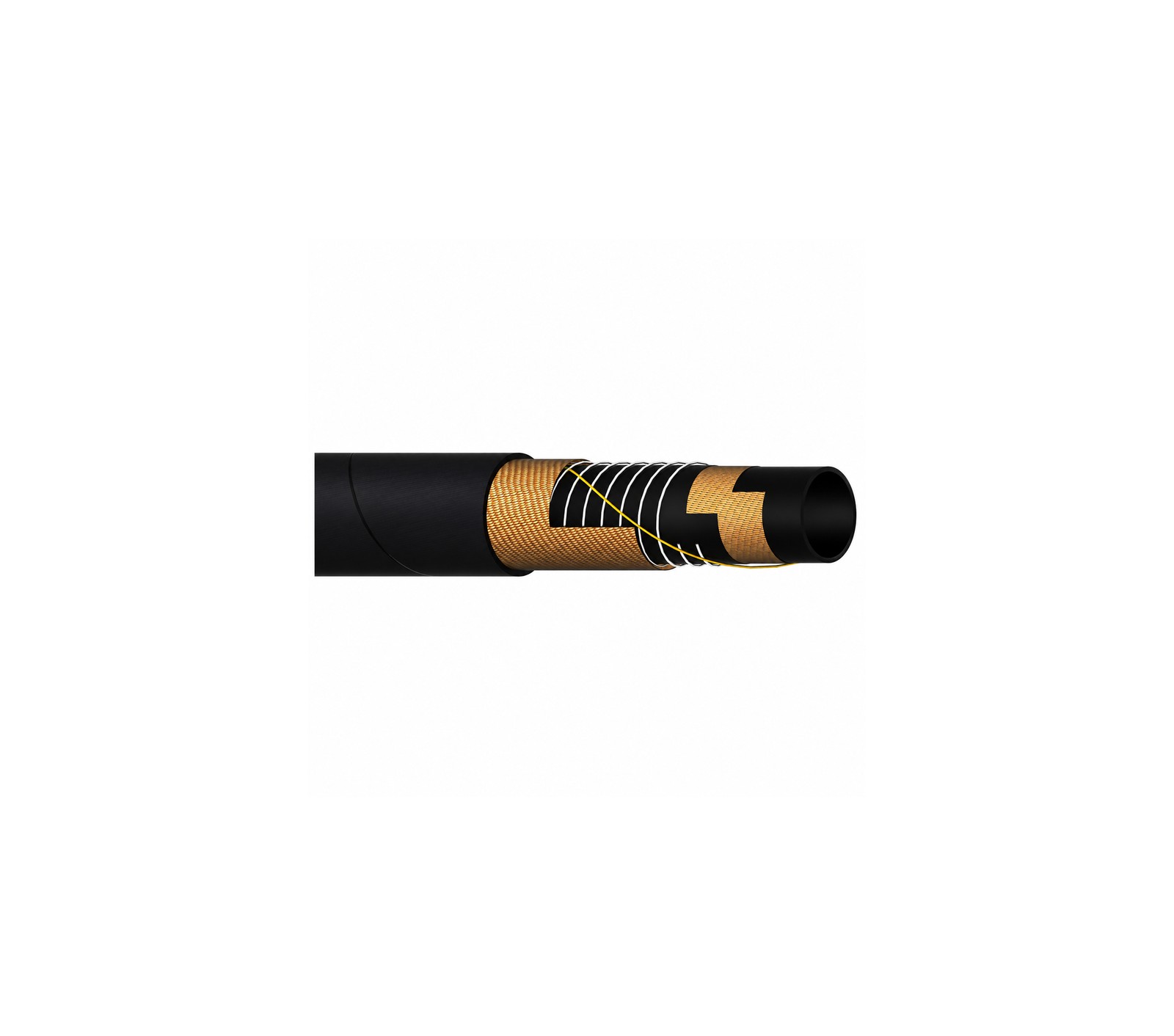
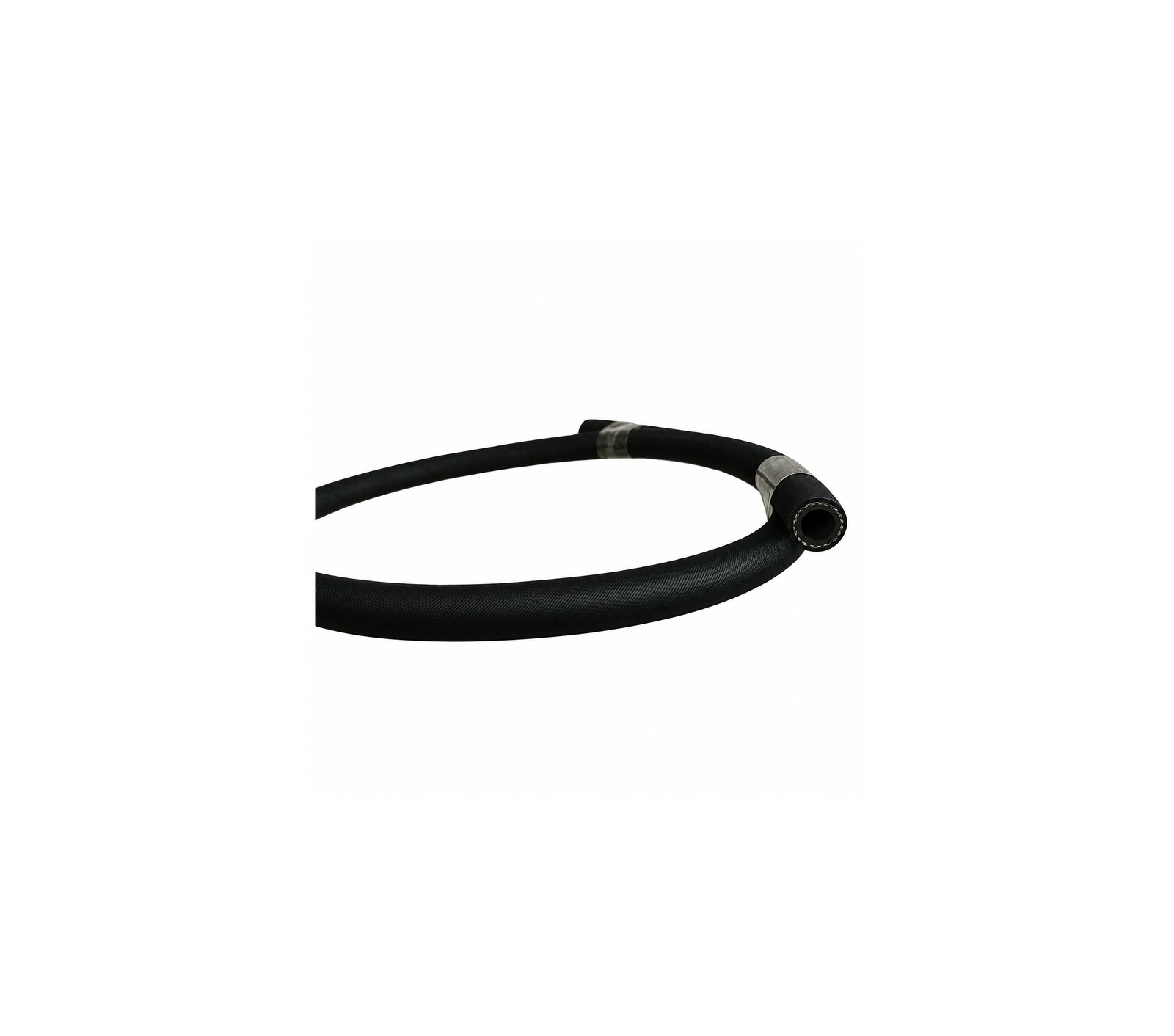
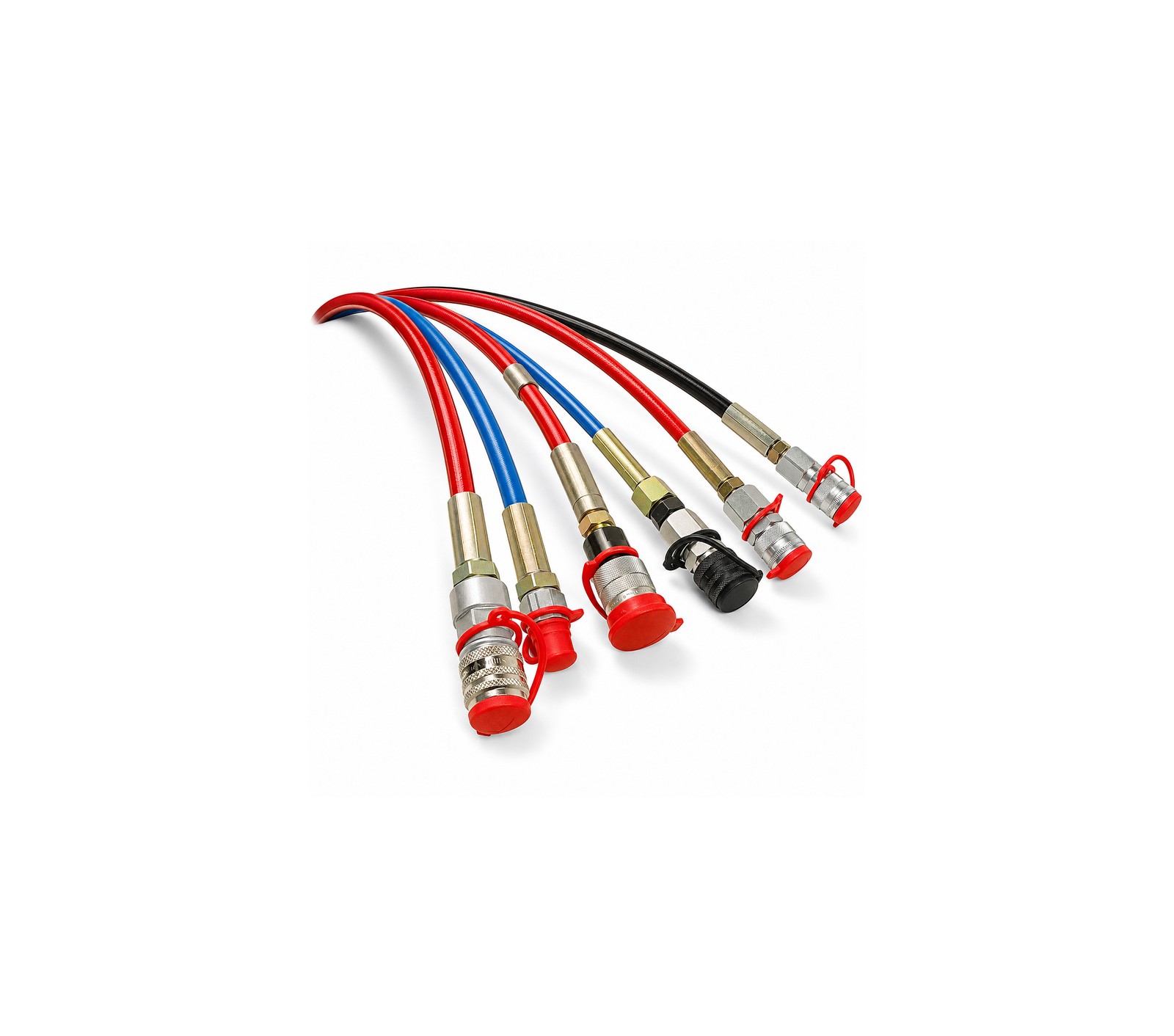
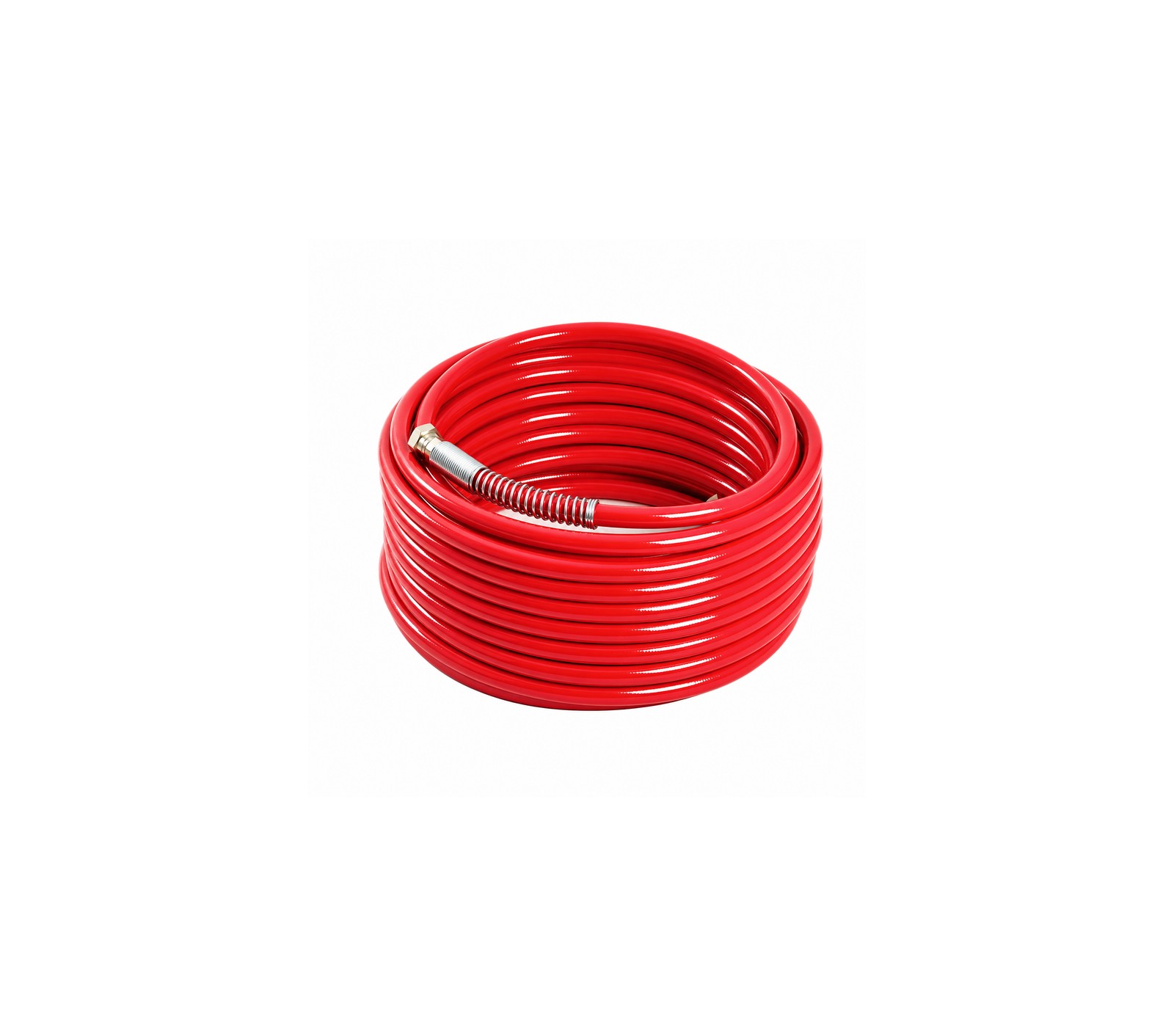
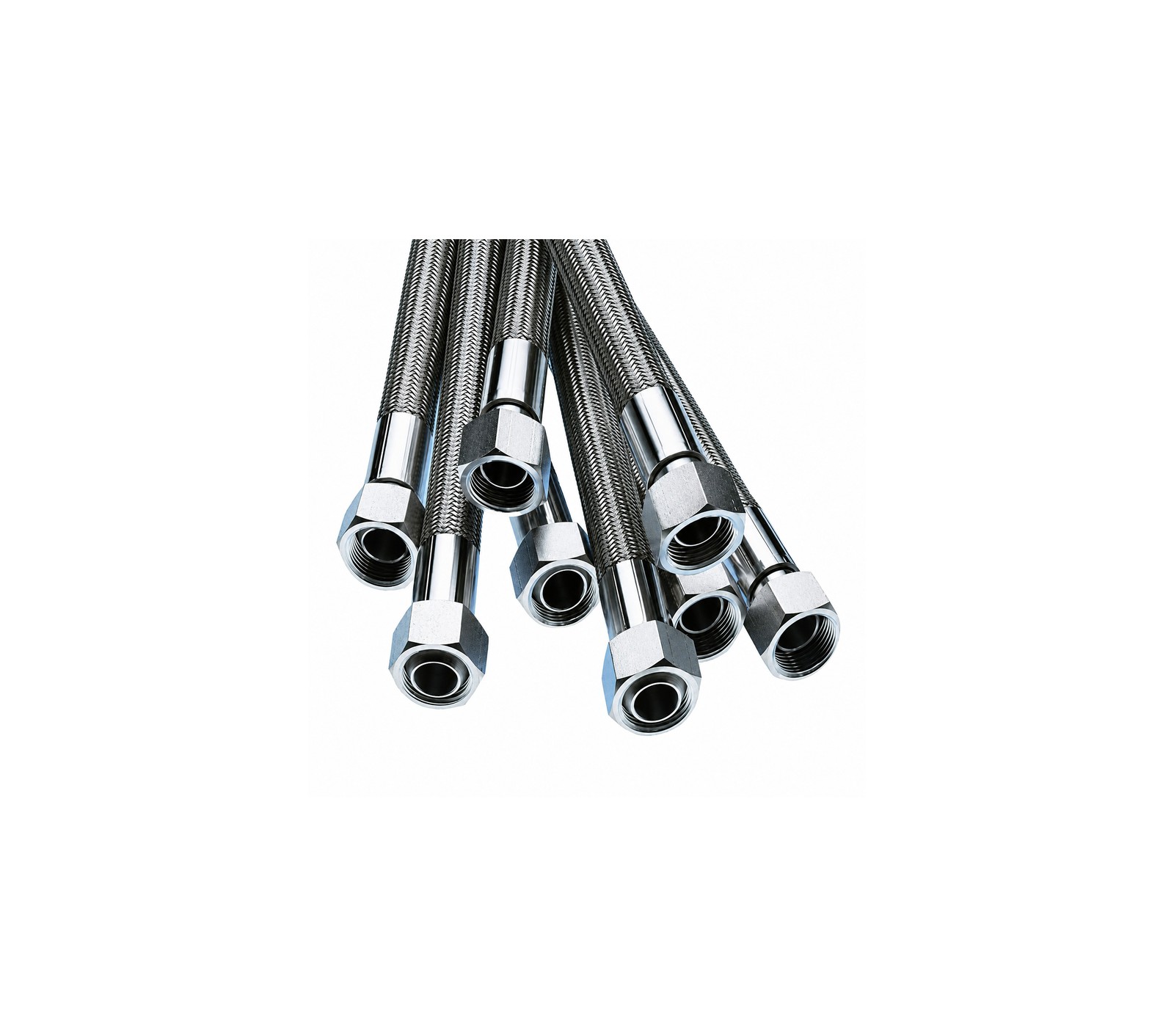
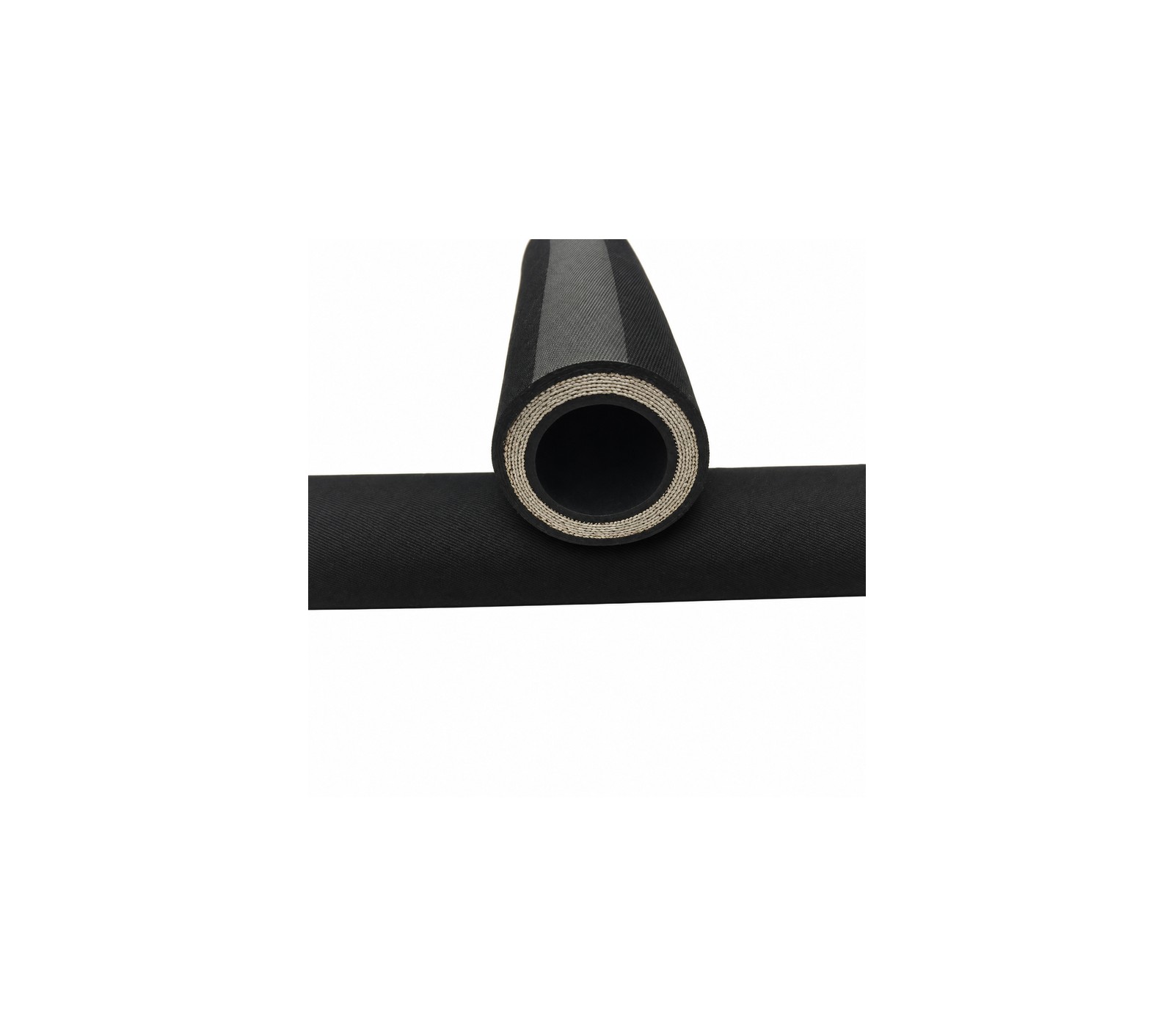
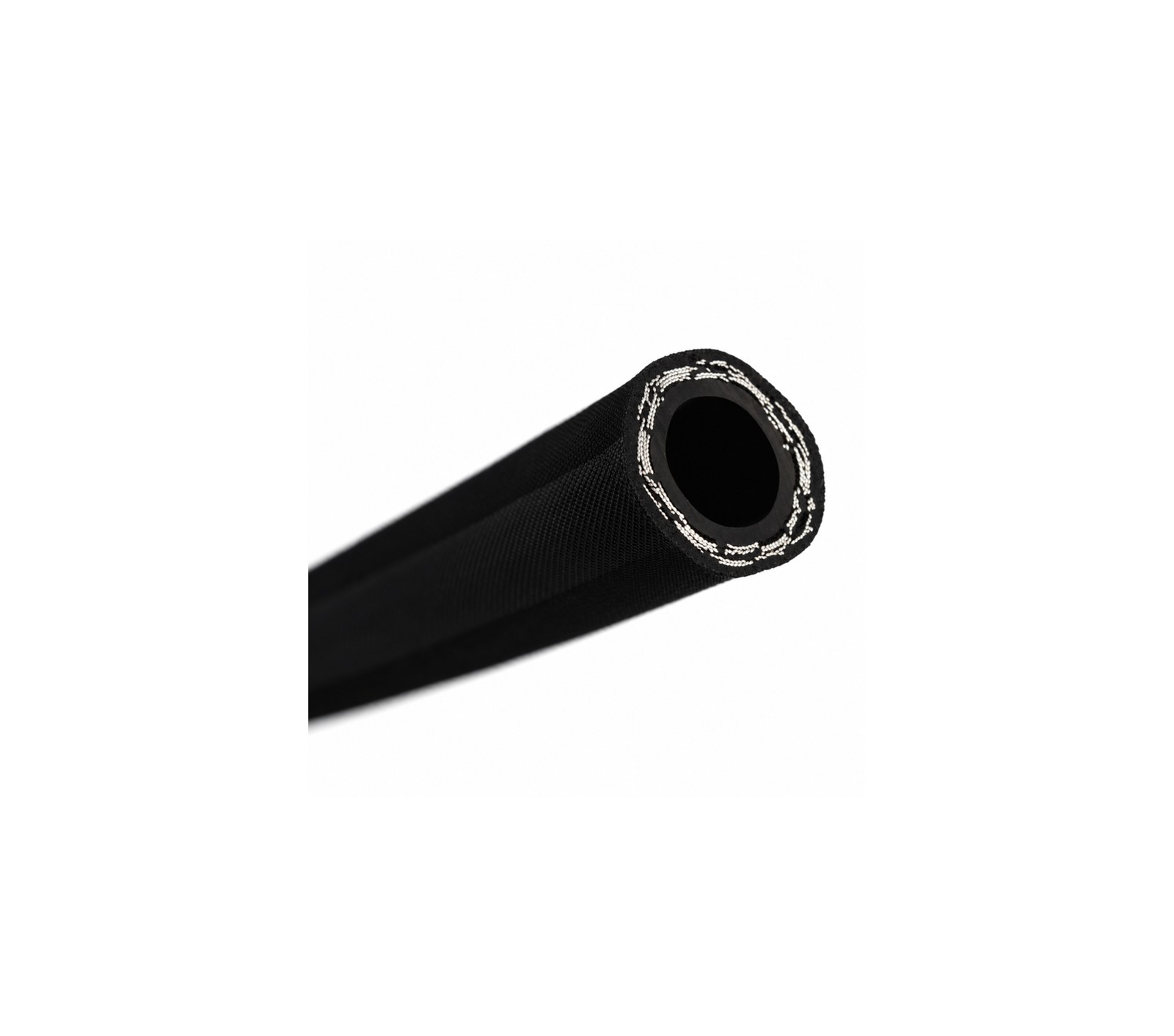
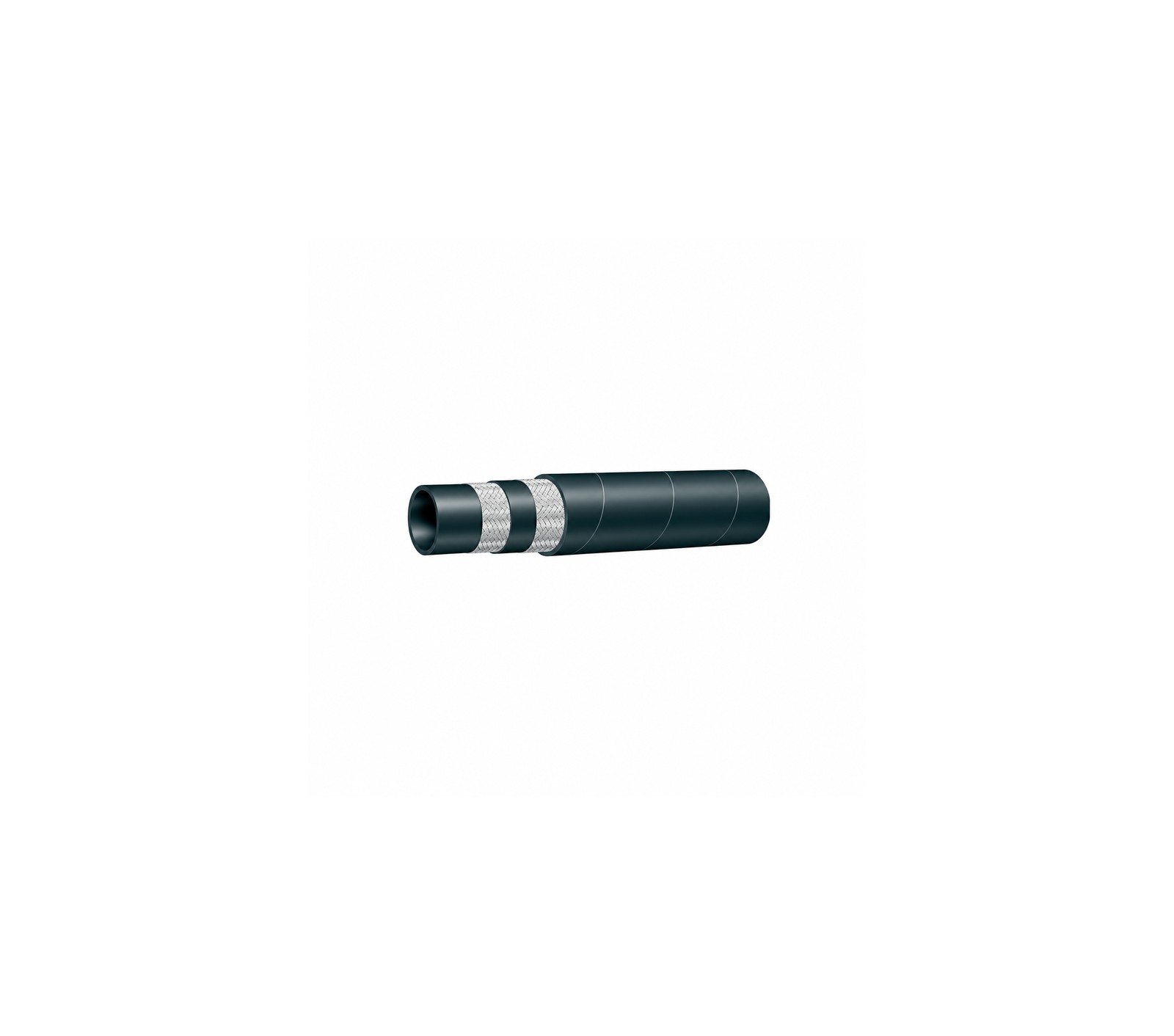
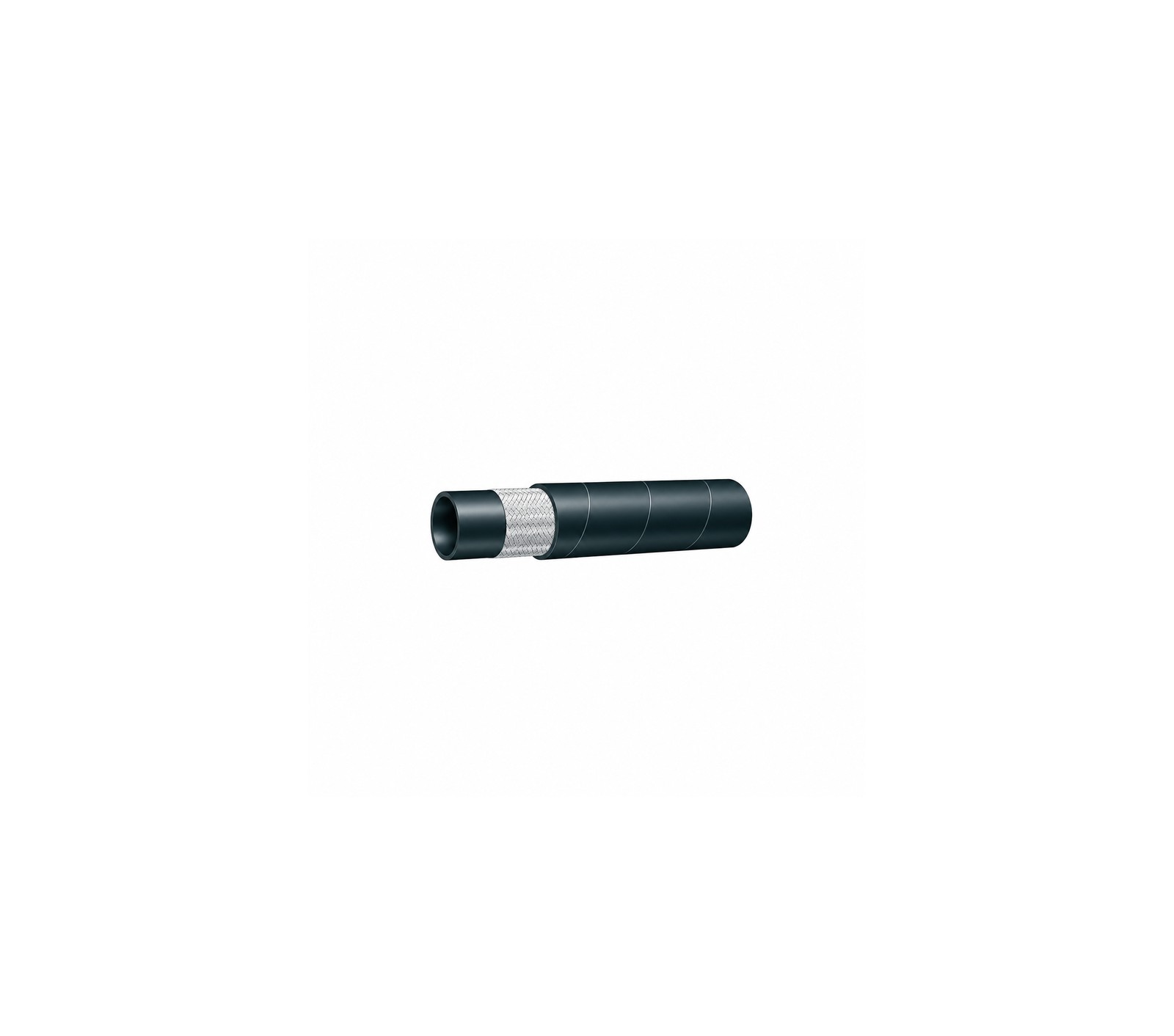
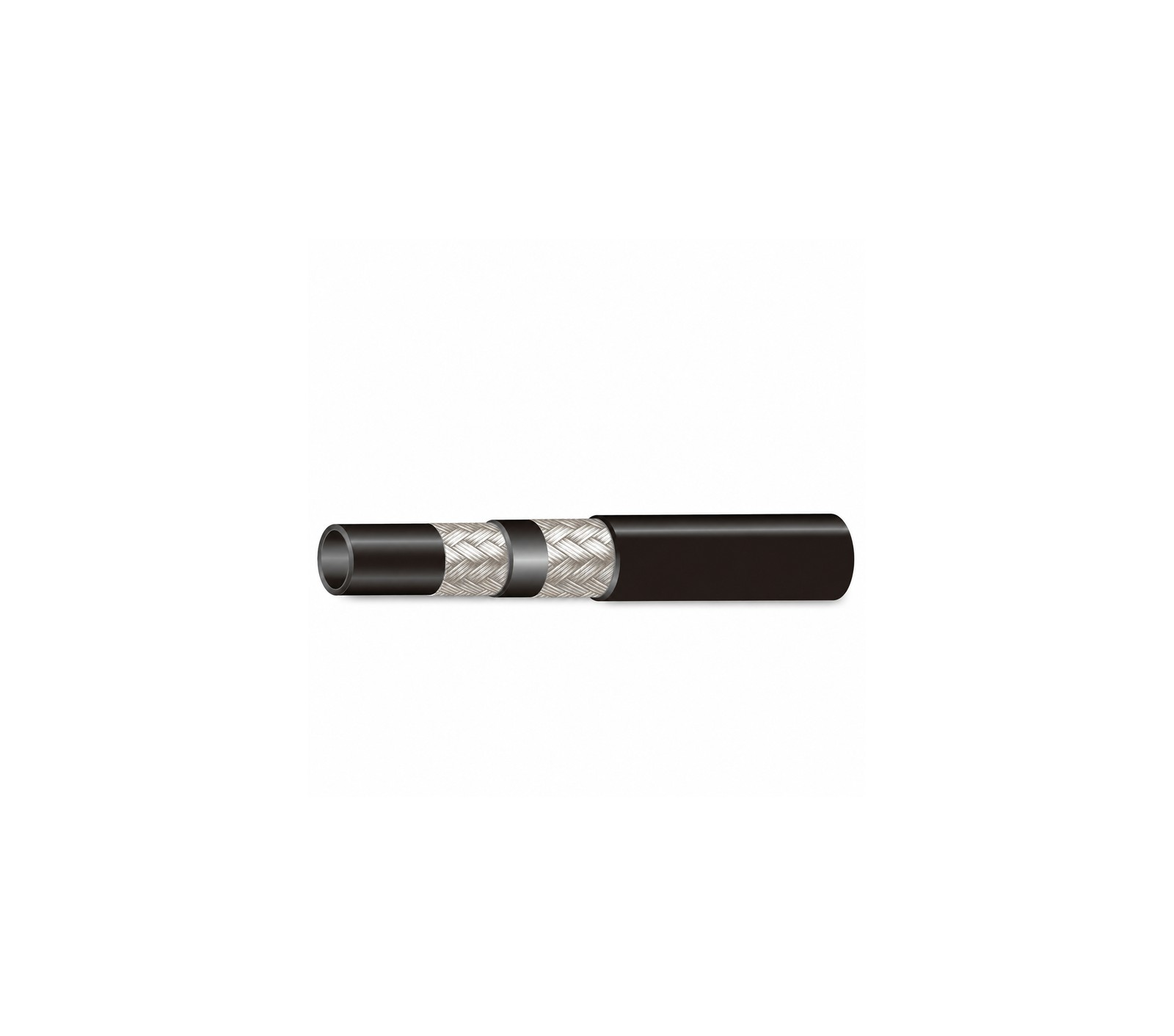
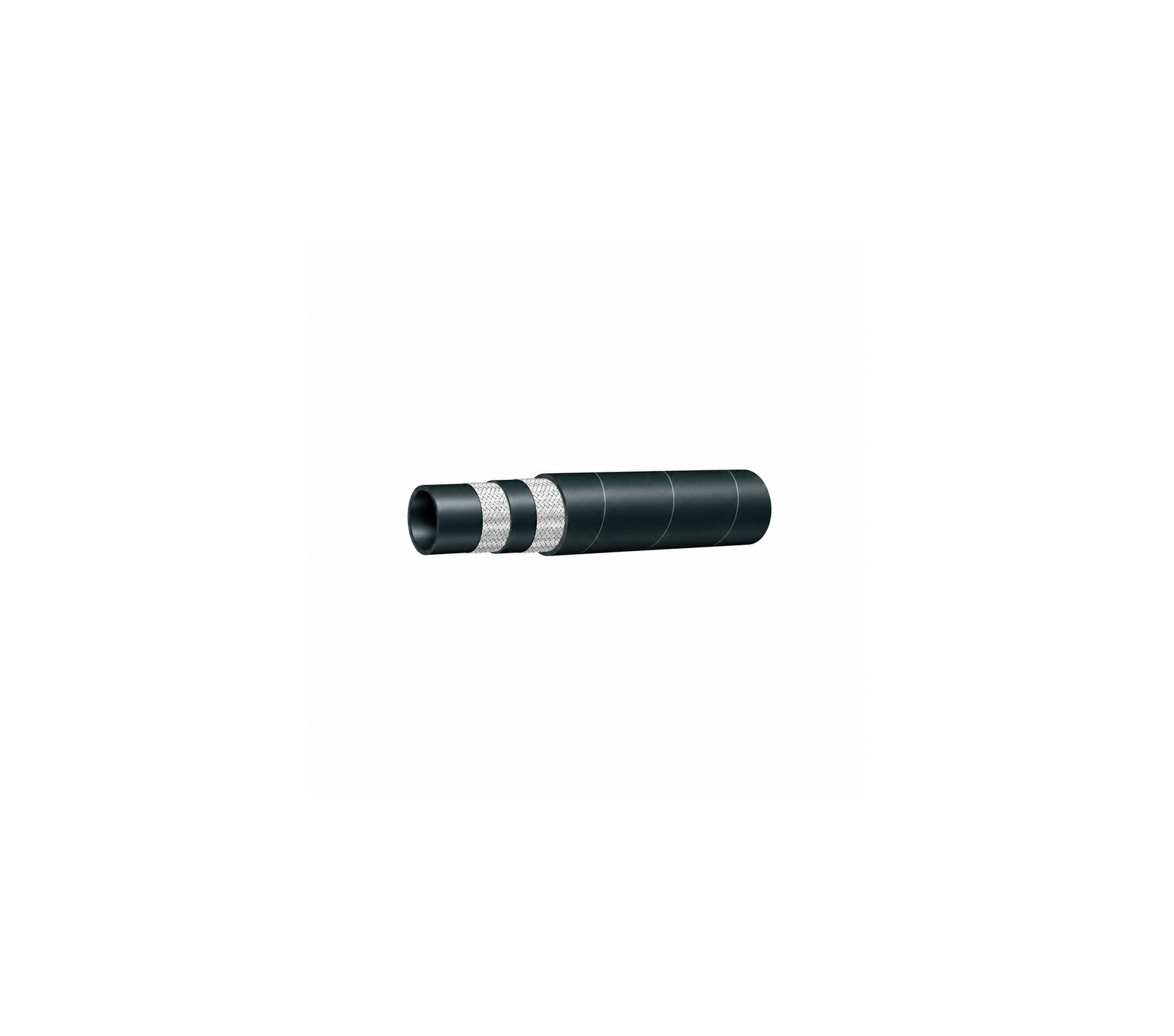
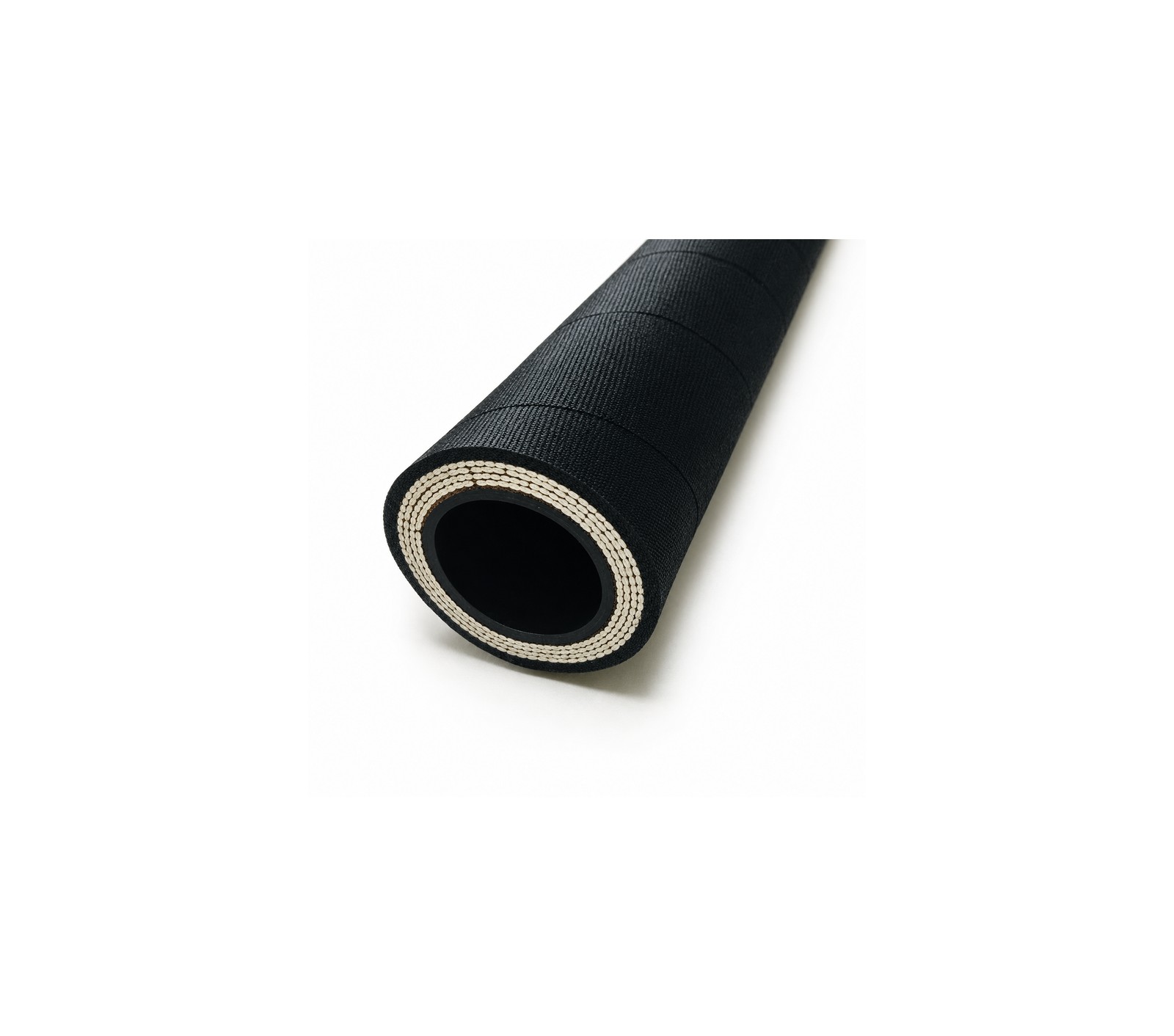
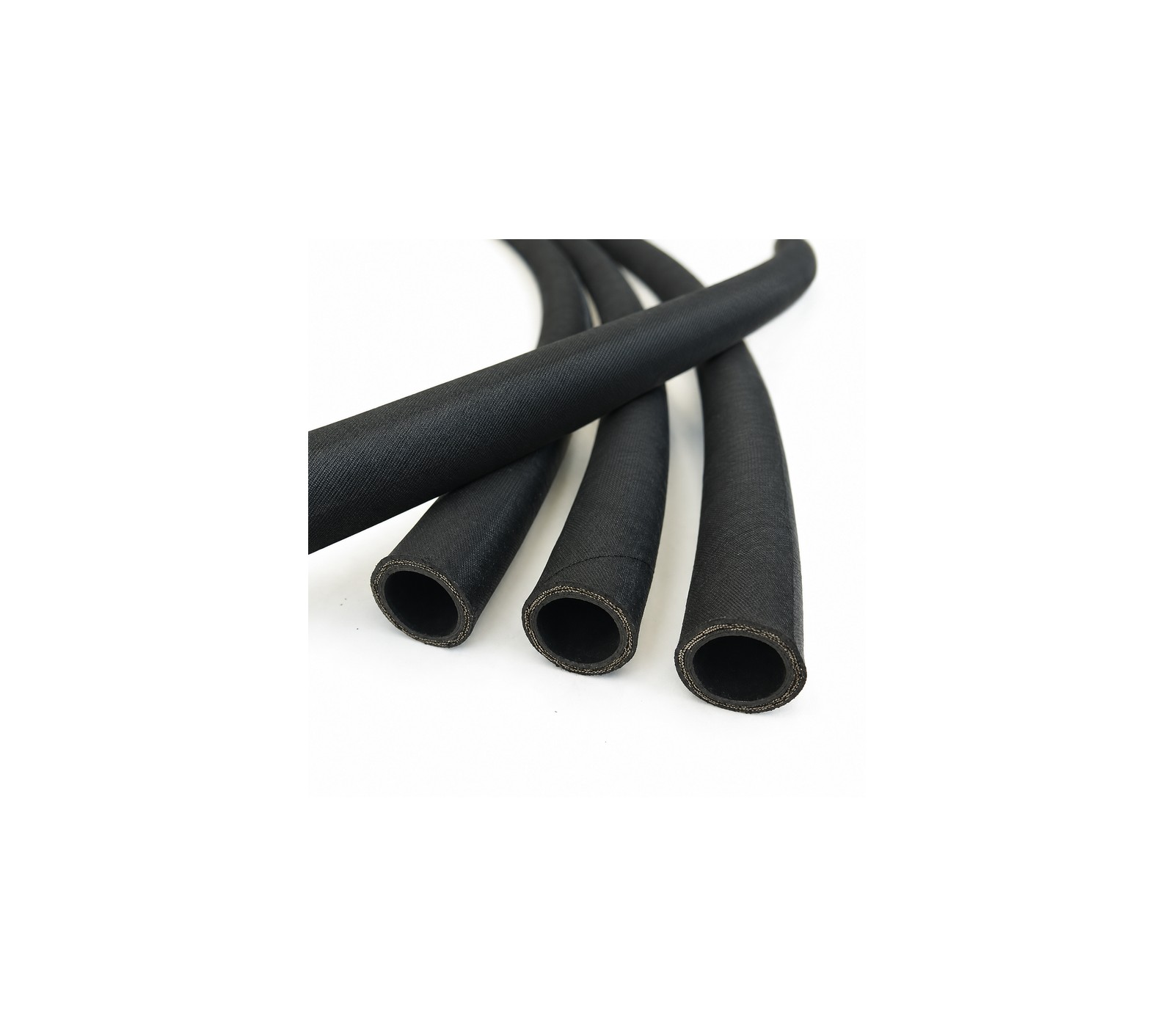
State whether the order is for bulk hose, cut lengths or completed hose assemblies. For assemblies, provide the thread form, sealing method, end size, fitting angle and required orientation. Hose and fitting compatibility must be confirmed together; a hose pressure figure alone does not establish an assembly rating. The lowest-rated suitable component limits the assembly. Agree the applicable crimp requirements, inspection scope and documentation before ordering. Product photographs illustrate appearance and construction; they do not confirm every dimension, supplied accessory or certification.
Prepare a clear quotation enquiry
Send a drawing or a dimensioned description with the selected bore, working conditions, total quantity and delivery arrangement. Where an existing hose is being replaced, record its identification and end connections, but also verify the current operating conditions. A repeat of an old part number is not a substitute for checking a changed application. Kaida can use the information to review the required configuration and quotation scope. Confirm the final dimensions, service limits and supplied assembly in the agreed order documentation.
- Fluid, operating pressure and temperature
- Nominal bore, hose length and quantity
- End connections and fitting orientation
- Routing, minimum bend radius and protection needs
- Inspection, packaging and documentation requirements
Products in This Category
Send your hydraulic hose requirements to Kaida.