Hose Protection Sleeves Buying Guide
External hose protection should solve a specific routing problem. A cover that works against rubbing may not provide a documented thermal barrier, and a heat sleeve may be unsuitable for repeated contact with a sharp edge. Begin with a route survey rather than selecting only by colour or nominal diameter. Identify where the hose moves, where it touches nearby equipment and how technicians will inspect or replace it. Protection is an accessory to a correctly specified hose assembly; it cannot restore a worn cover or raise the original assembly pressure rating.
Measure the installed assembly
Record the actual hose outside diameter, its tolerance and the largest fitting or ferrule that a closed sleeve must pass. For a bundle, measure the envelope with the hoses in their working positions. Allow enough room for movement without creating a loose covering that catches nearby parts. A textile flat width and a nominal round inside diameter are different dimensions. Likewise, a spring guard catalogue diameter needs a clear definition before it can be matched to a hose. Send a drawing or measured sample when clearance is limited.
Compare the four protection forms
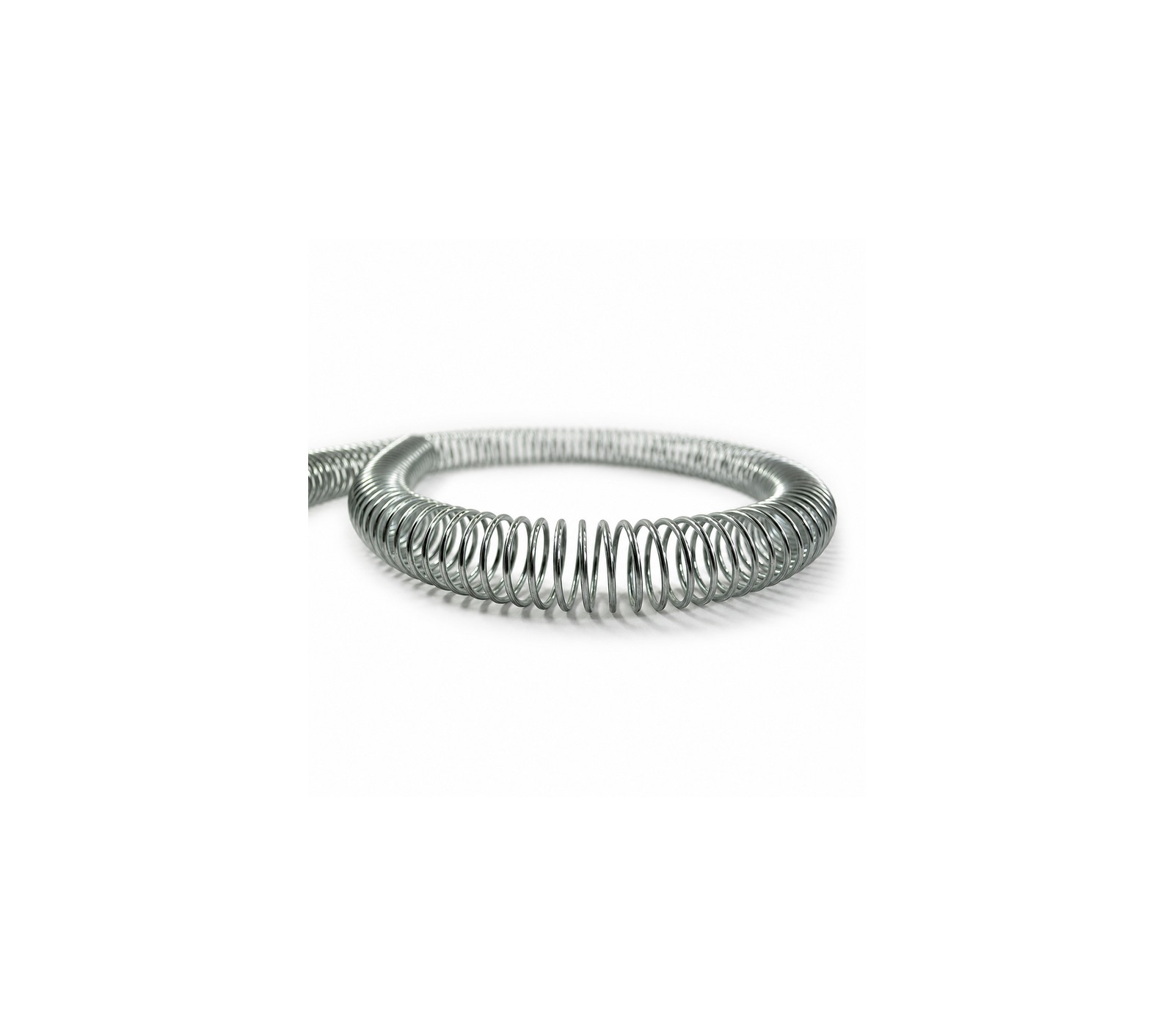
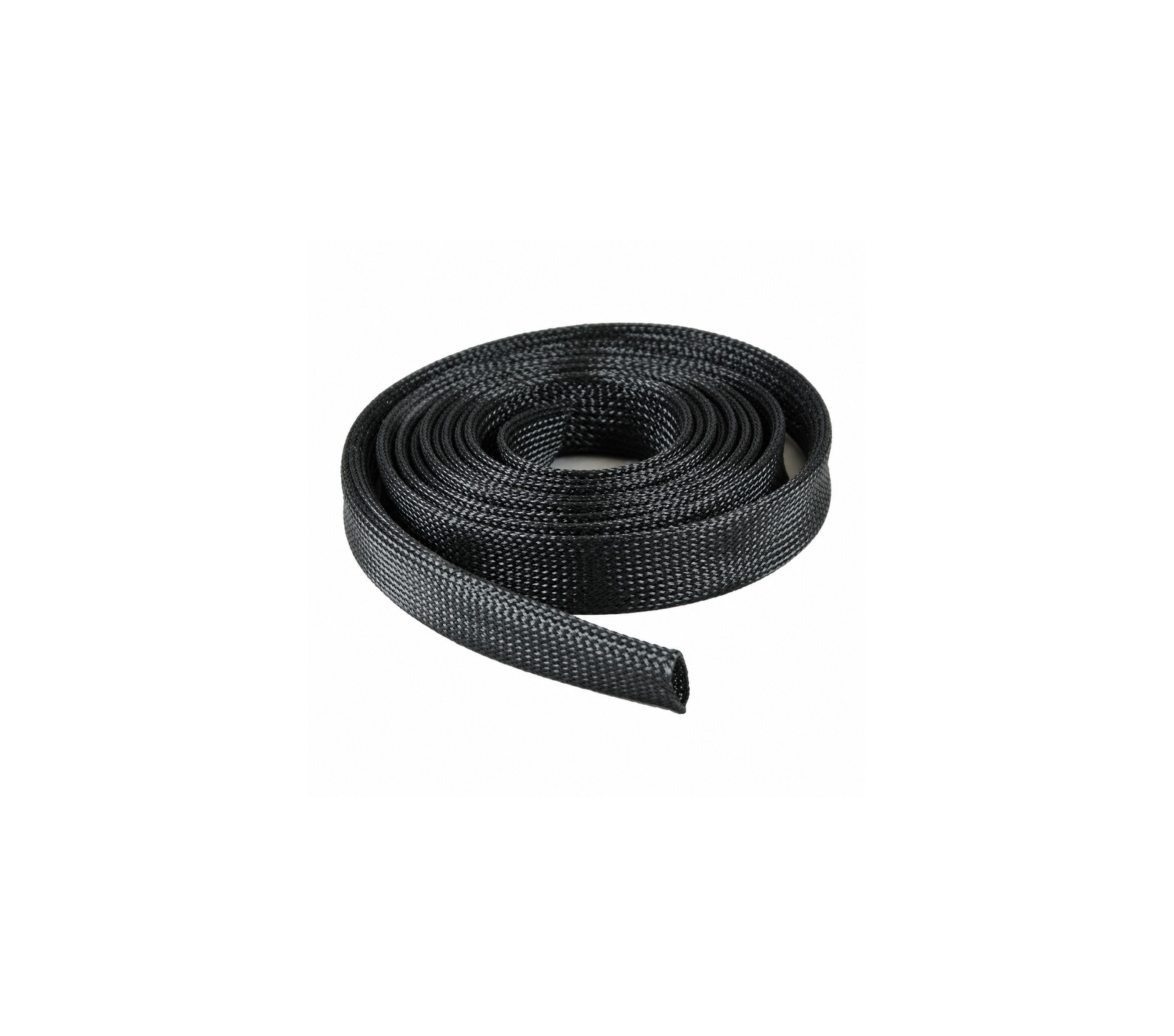
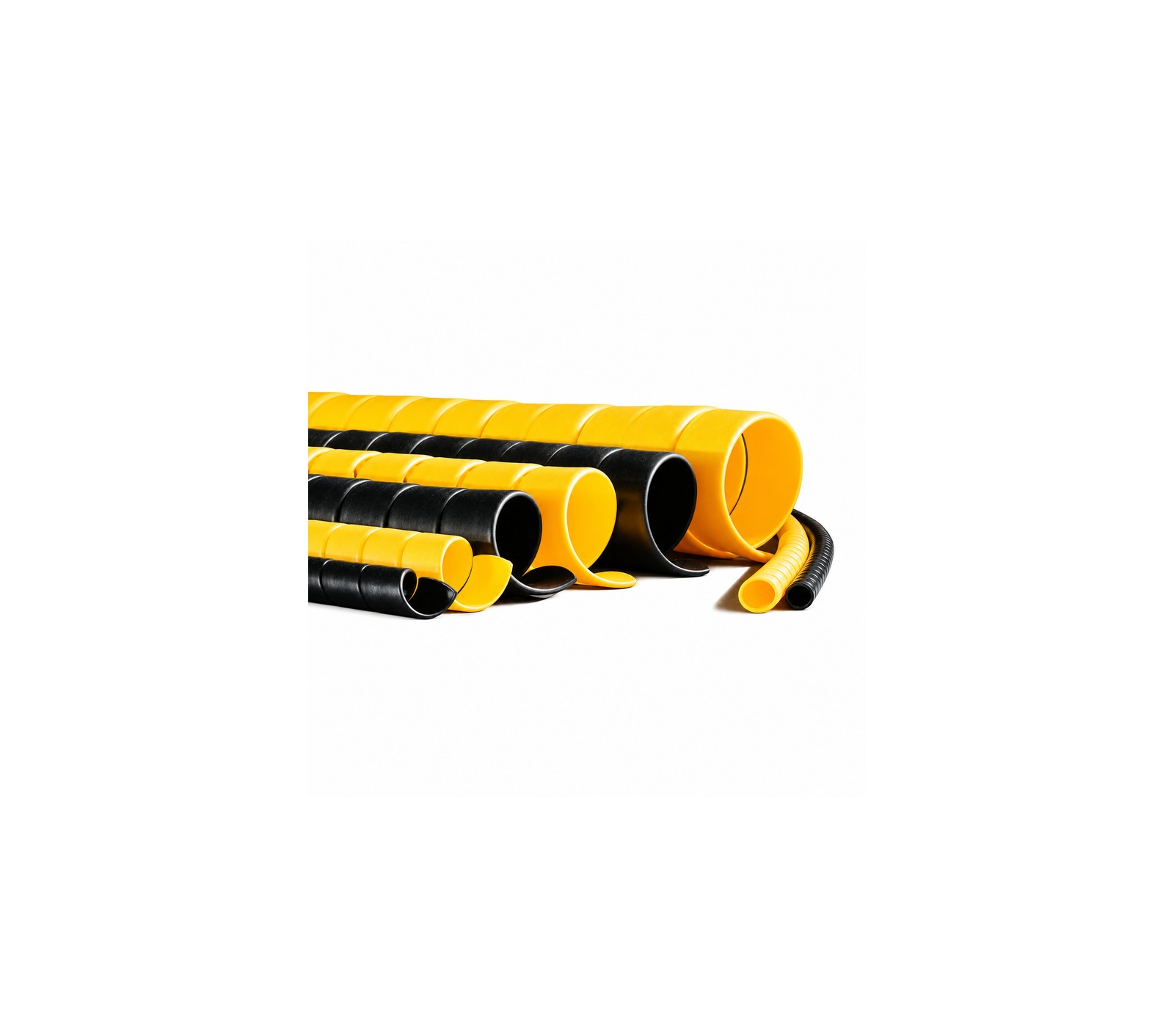
A carbon-steel spring guard uses an open coil around selected hose sections. Ask about wire diameter, surface treatment, cut-end finishing and supplied length because the size schedule alone does not define its mechanical performance. Nylon fabric provides a flexible tubular covering for suitable abrasion exposure. Its weave and end retention must suit the route. An open spiral wrap can be installed along accessible sections without threading the entire hose through a closed tube. Choose standard or heavy duty explicitly because the same nominal outside size can have a different wall and inside diameter.
Separate heat exposure from abrasion
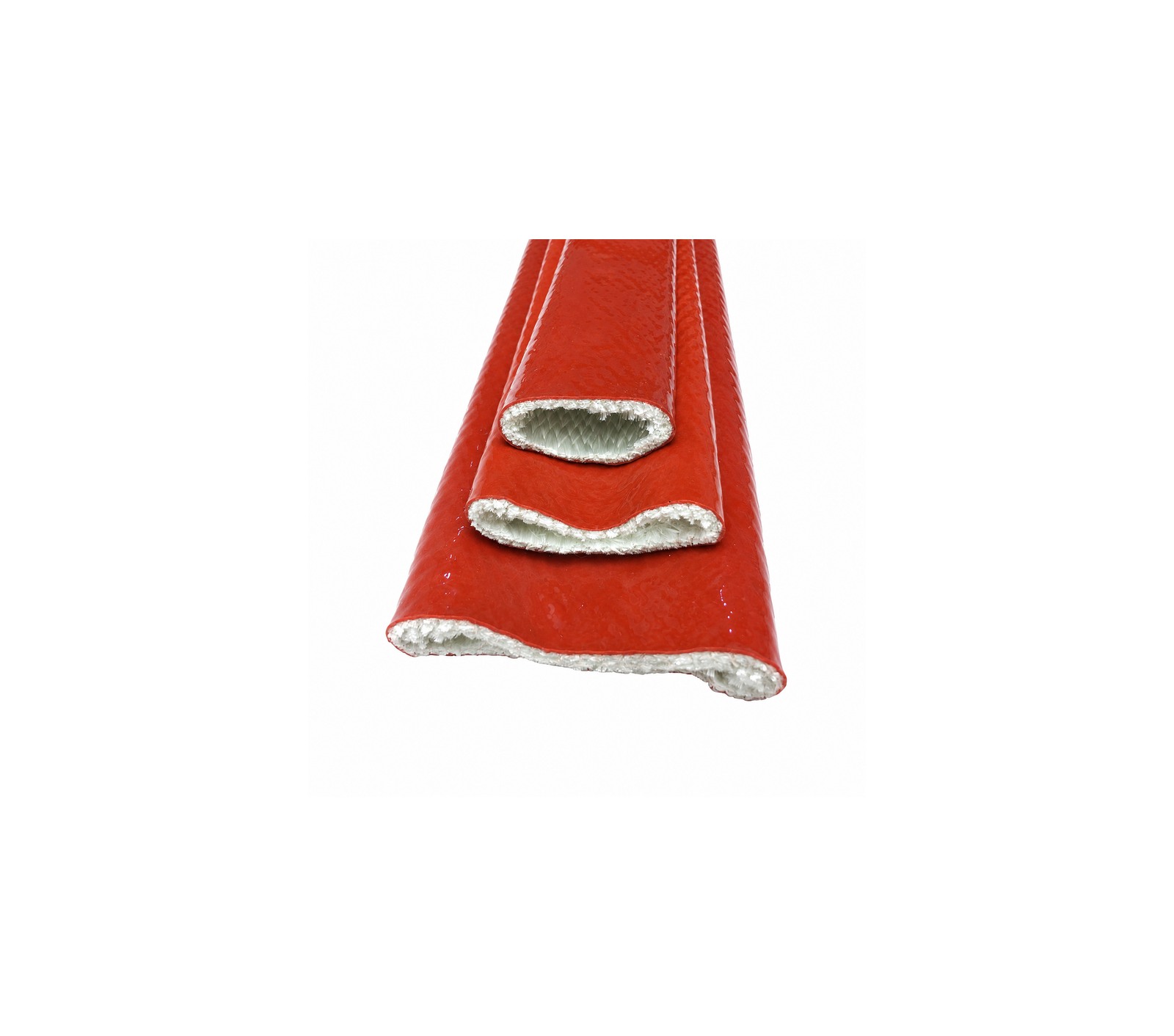
Silicone-coated fiberglass sleeves are considered where the route needs a thermal barrier. Describe continuous ambient heat, radiant heat, direct contact and occasional splash as separate exposures. Temperature without a duration and a test method is not a complete specification. Ask for evidence that applies to the actual supplied construction, rather than treating a general catalogue statement as a guaranteed rating. Confirm how sleeve ends, joints and gaps will be handled. A protective covering should not be described as fireproof or as approved for a vehicle system without supporting documentation.
Resolve material and environment questions
State the chemicals, oils, cleaning agents, moisture and outdoor exposure that may contact the covering. Different polymers and coatings respond differently. Where a reference description conflicts between HDPE and polypropylene, agree the exact resin grade before ordering. Carbon steel also needs a suitable finish for the environment; it should not automatically be assumed corrosion-proof. For textile sleeves, avoid transferring fiberglass fire-sleeve properties to nylon. Request product-specific abrasion, heat or restraint evidence when the application depends on those properties.
Plan installation and maintenance
Check the hose minimum bend radius and its full movement with protection installed. Ends and fasteners must not cut into the hose or create a new rubbing point. Leave access for inspection and consider whether grit or fluid could collect under the cover. A sleeve is not a substitute for replacing a damaged assembly. Establish inspection intervals appropriate to the machine and operating conditions, and make the selected protection easy to identify during maintenance. Do not disconnect a pressurised line simply to fit a covering.
Prepare a useful quotation request
Provide the protection type, actual hose dimensions, route sketch, required covered length, quantity, colour preference and supply format. Include the fittings that must pass through a sleeve and the available installation access. List any required test documentation separately from general marketing terms. Fronteck can use this information to discuss a suitable configuration and confirm the quoted construction. Final suitability depends on the complete hose assembly, its operating limits and the documented conditions agreed for the protective accessory.