Layflat and Fire Hoses Buying Guide
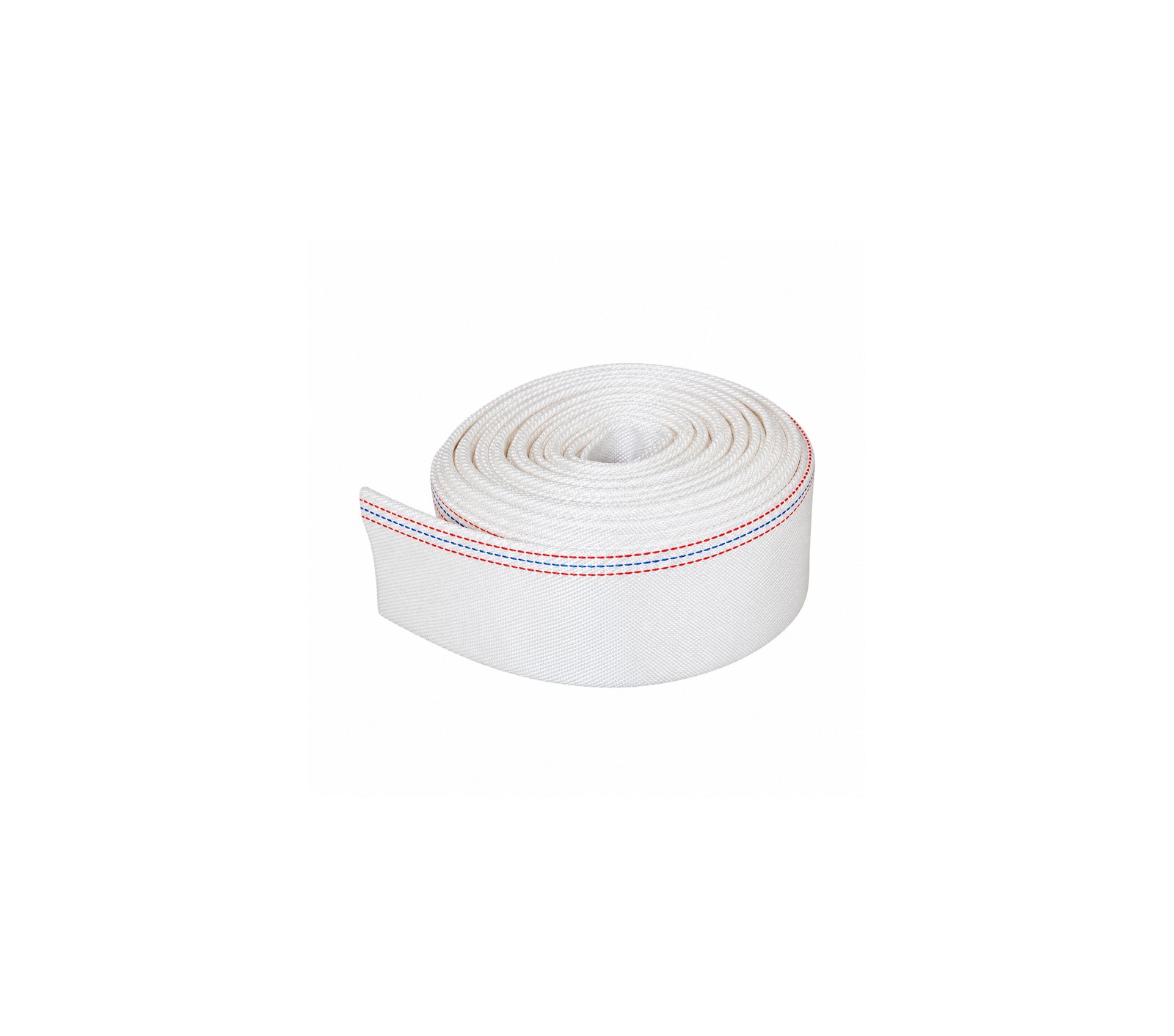
Layflat describes how a hose stores when it is empty; it does not define one universal service. A water-discharge hose, a compressed-air hose, an agricultural drag hose and a deep-well riser have different design requirements. Start with the intended medium, flow, pressure, temperature and route. Then identify the lining, reinforcement, cover and end attachments needed for that duty. Compare complete configurations rather than choosing by colour, a photograph or the fact that a product can be coiled flat.
Separate working pressure from burst pressure
Working pressure is the operating limit agreed for a specified construction and service. Burst pressure is a destructive-test reference and must not be used as that operating limit. Some catalogue tables list a range of pressure versions within the same bore. The selected hose must have a defined version, not an adjustable rating anywhere inside the printed range. Where a source gives only burst pressure, obtain the working-pressure specification rather than deriving one from an assumed ratio. Include pressure transients and temperature in the assembly review.
Choose lining, jacket and cover together
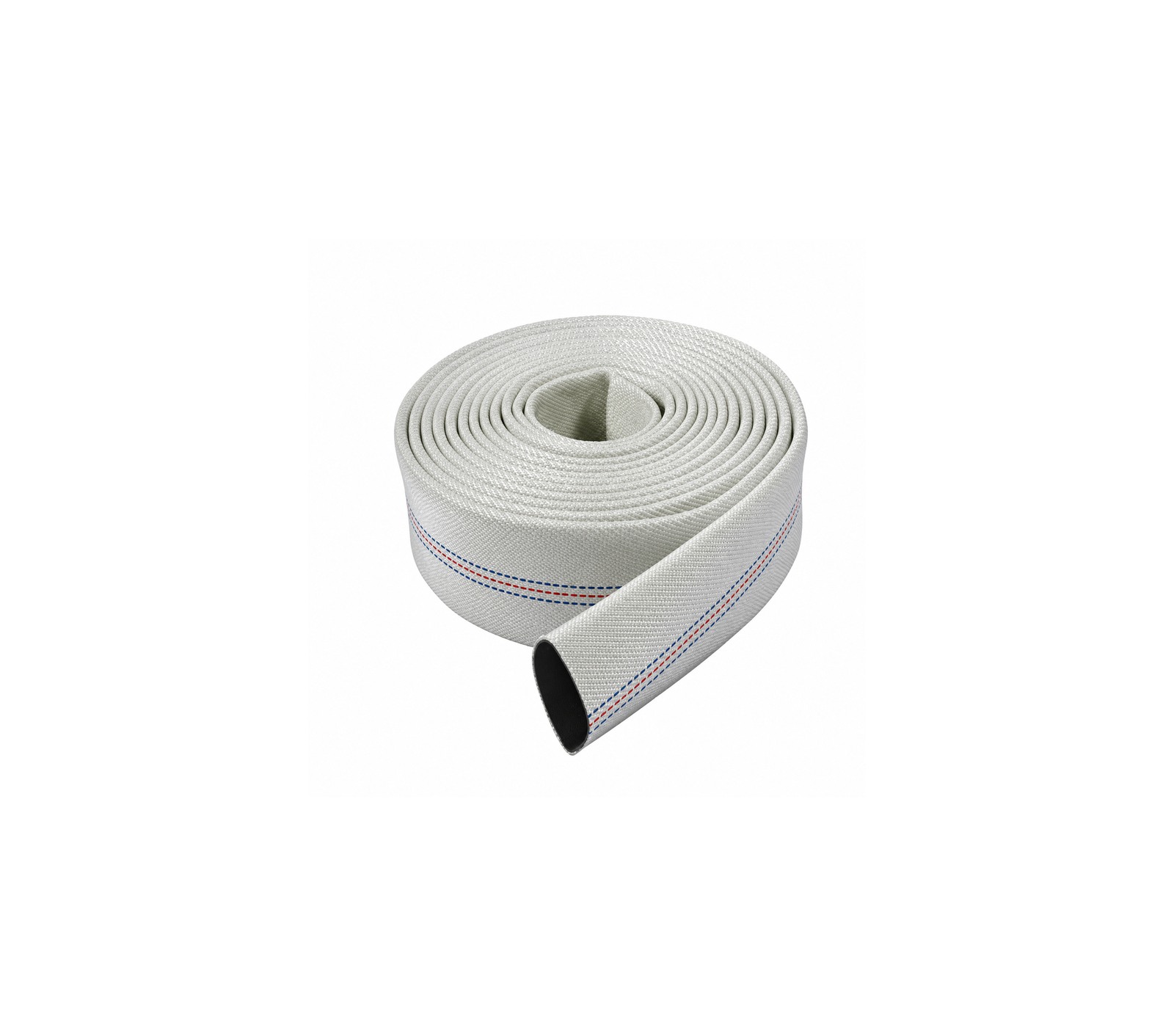
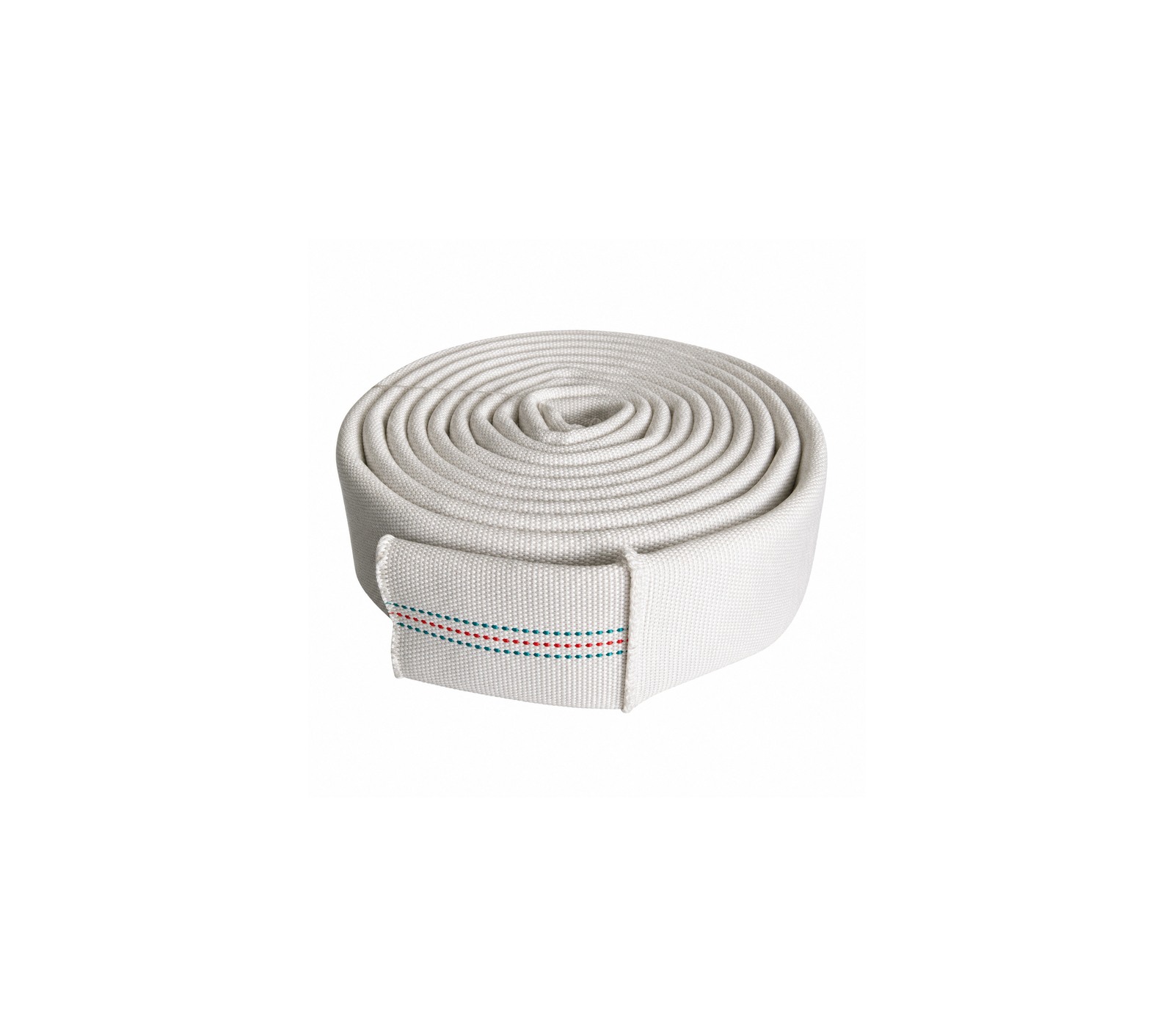
Textile-jacketed hoses may use PVC, polyurethane or a particular rubber lining. EPDM and NBR are not interchangeable materials for every medium. Covered constructions add an external layer whose material and thickness also need confirmation. A double-jacket hose has a different reinforcement arrangement from a single-jacket product, even if the external appearance is similar. Agree the exact build and any required coating with the quotation. General material descriptions do not establish universal oil, chemical, food-contact or potable-water compatibility.
Match the connections and installation
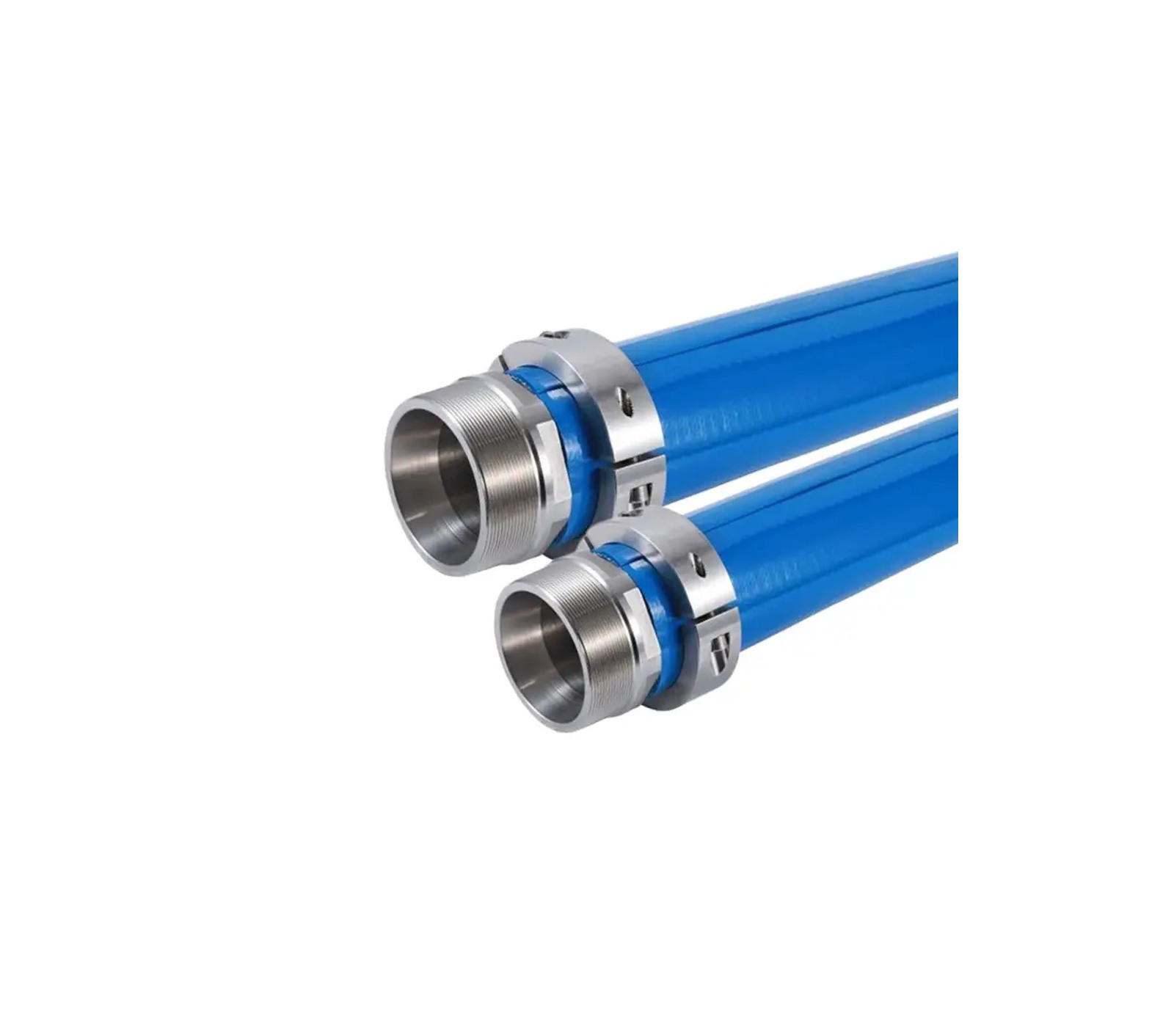
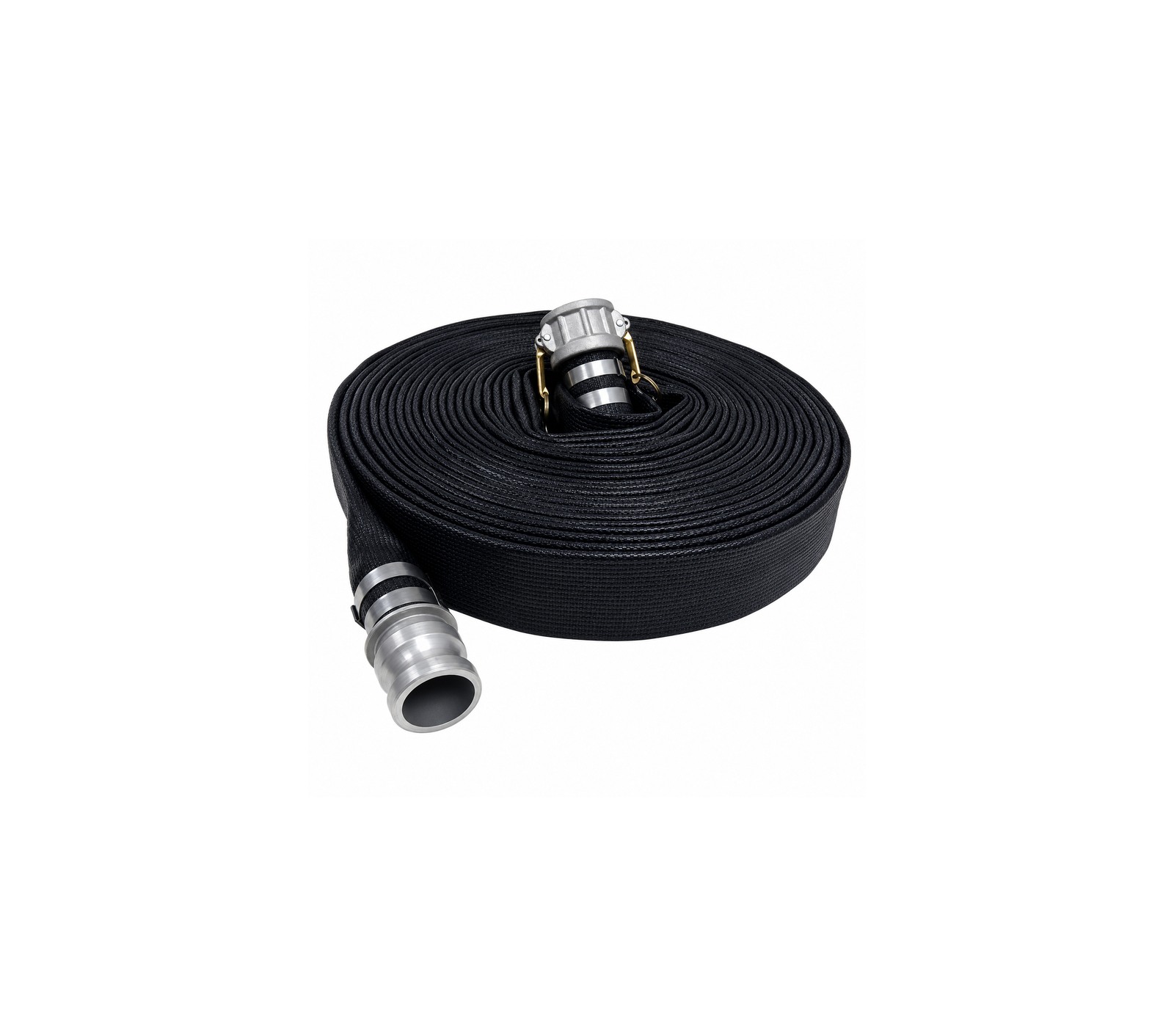
Specify the coupling style, mating dimensions, attachment method and required hose length. The complete assembly rating depends on both the hose and its ends. Check roll handling, deployment space, bends, ground contact and the possibility of twisting or dragging. Compressed-air duty needs a configuration specifically rated for that service. A deep-well riser also needs an installation design addressing pressure, suspended load, supports and connections; it should not be treated as structural well casing simply because it is used below ground.
Evaluate drag duty independently
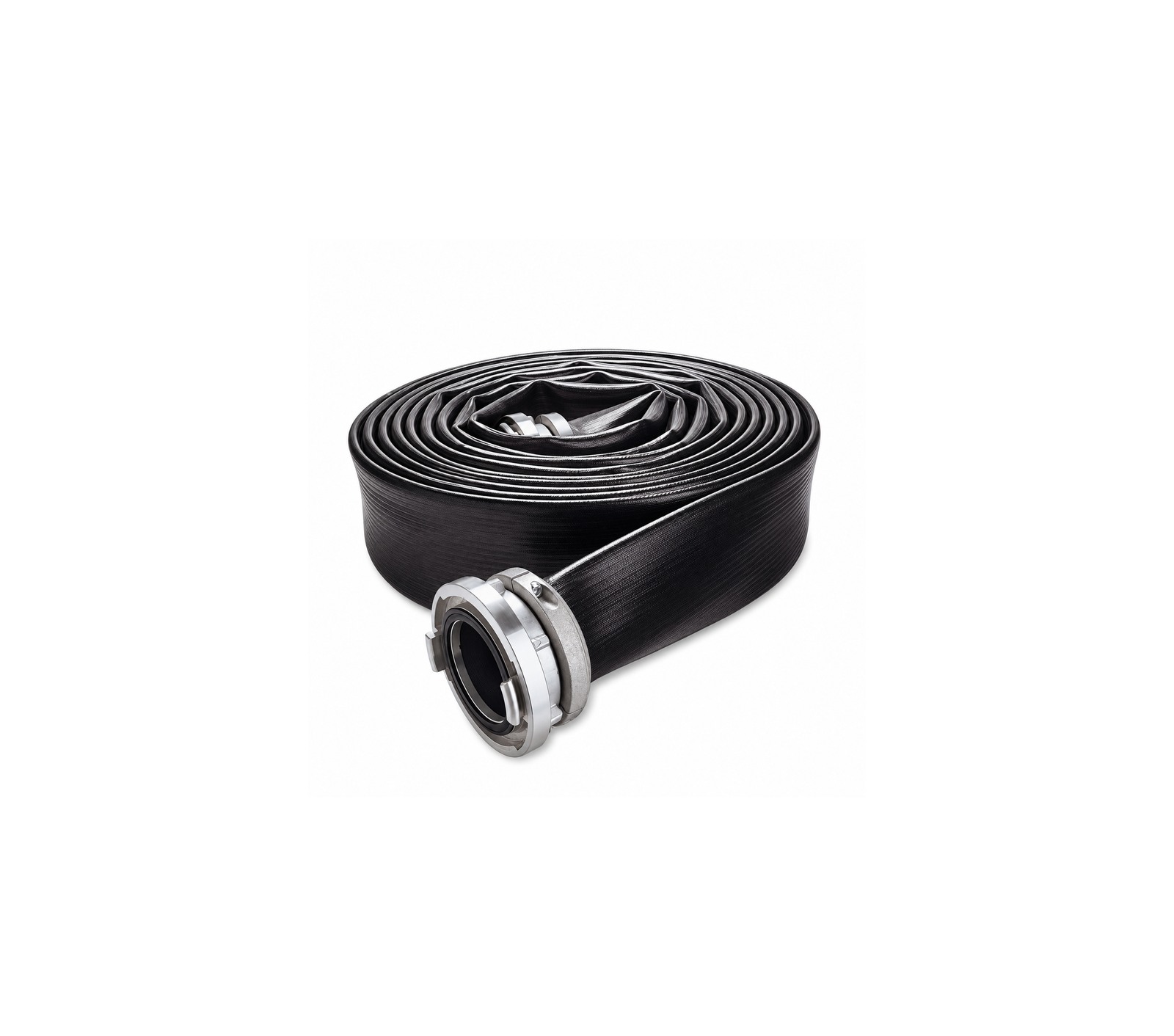
A hose pulled across a field experiences tension and abrasion as well as internal pressure. Burst data alone do not define an allowable towing load. Ask for the tensile-test method, working tension, coupling retention and the actual reinforcement grade. State the conveyed slurry or water properties and the expected route. Broad comparative claims about one material lasting several times longer than another are not useful without equivalent test conditions. Confirm the temperature range and chemical exposure for the supplied construction instead.
Request the documents required for the application
Fire-service procurement, drinking-water use and other regulated applications require evidence that matches the exact product and assembly. A catalogue application list or a named standard in marketing text is not a substitute for that evidence. Provide the applicable purchasing specification and ask for the relevant records, pressure-version identification and traceability. This catalogue does not transfer another supplier’s certification to Kaida or provide firefighting operating instructions. Selection and use must follow the documented requirements of the supplied system.
Send a complete enquiry
Include bore, medium, flow, working pressure, temperature, required length, couplings, quantity and operating conditions. For drag systems, add the pulling duty; for well risers, include depth and load information. State any required tests or approvals separately. Where the source schedule has conflicting units or missing dimensions, resolve them before ordering. Plan inspection and storage around the supplied assembly, checking damage and coupling condition under its maintenance procedure. Kaida can use these details to discuss an appropriate configuration and confirm the quotation.
Compare the source-listed PVC layflat grades
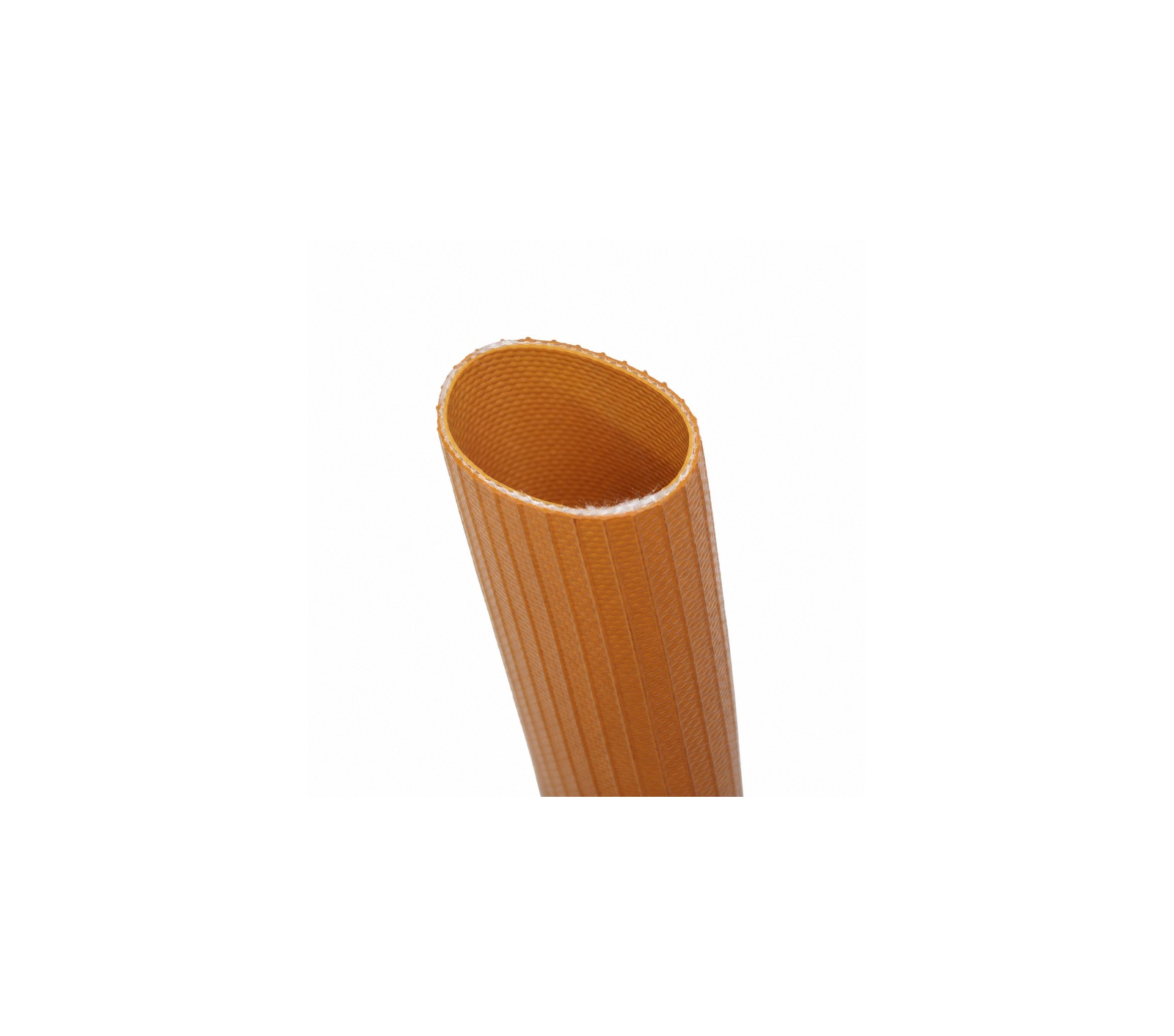
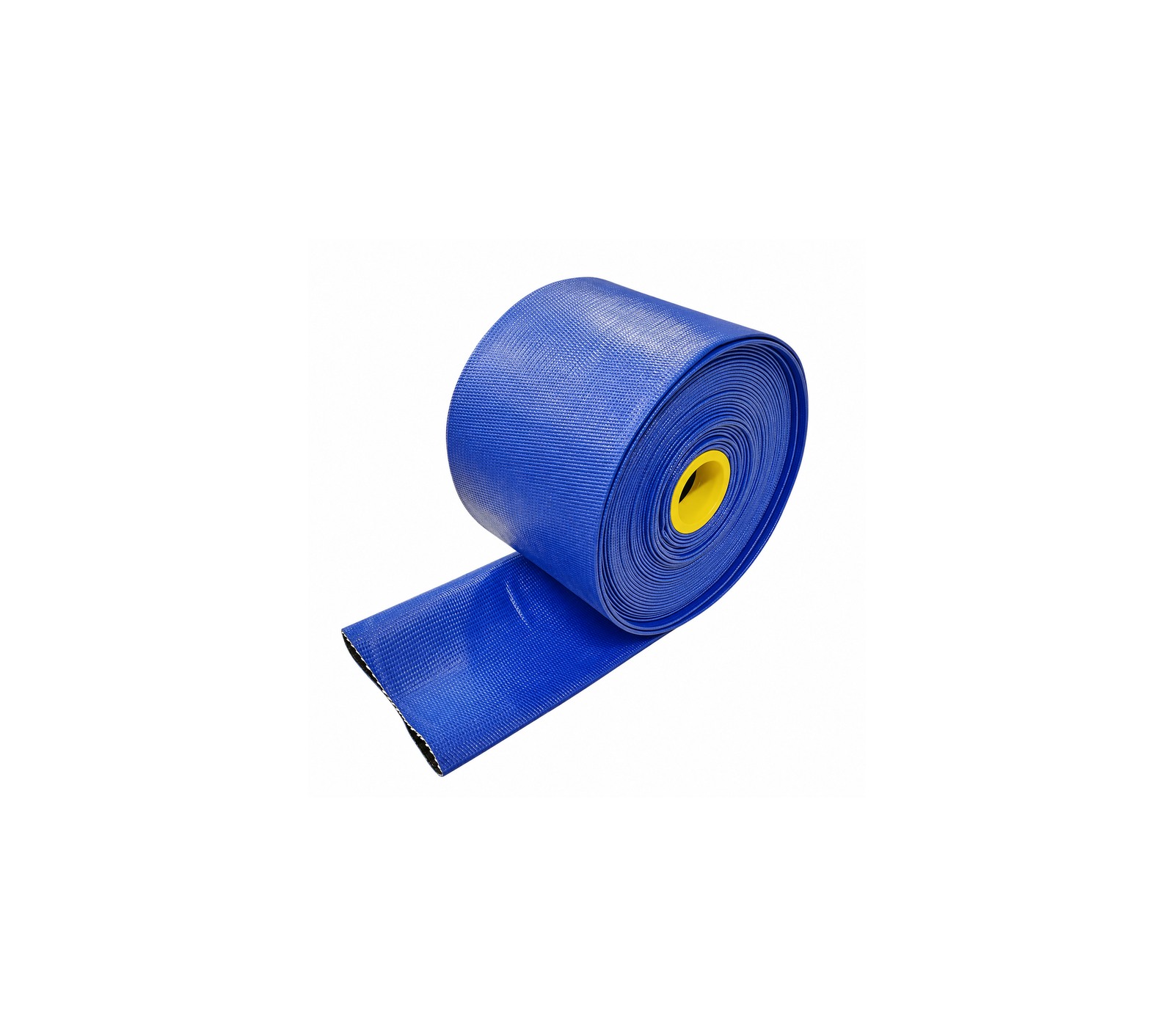
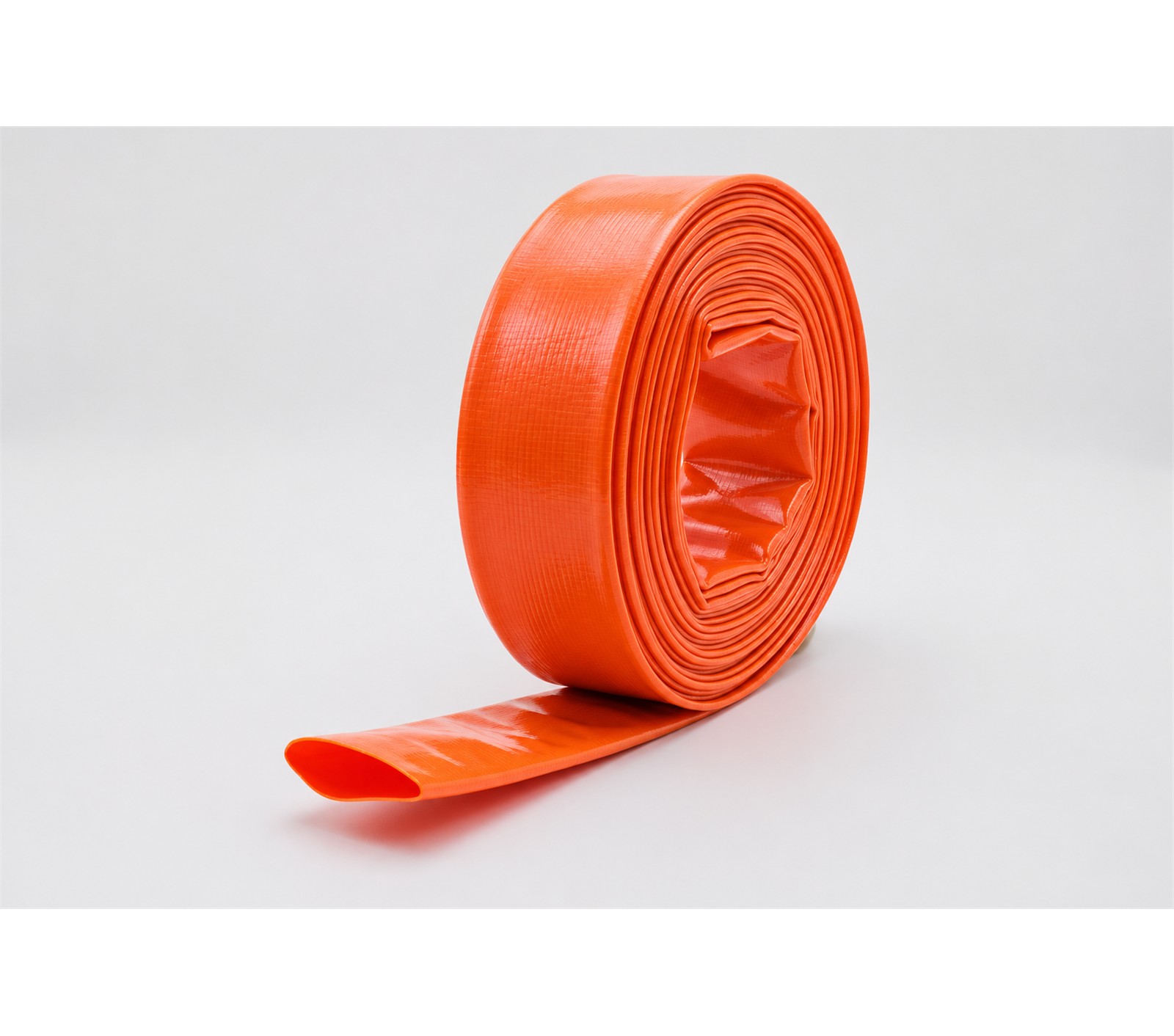
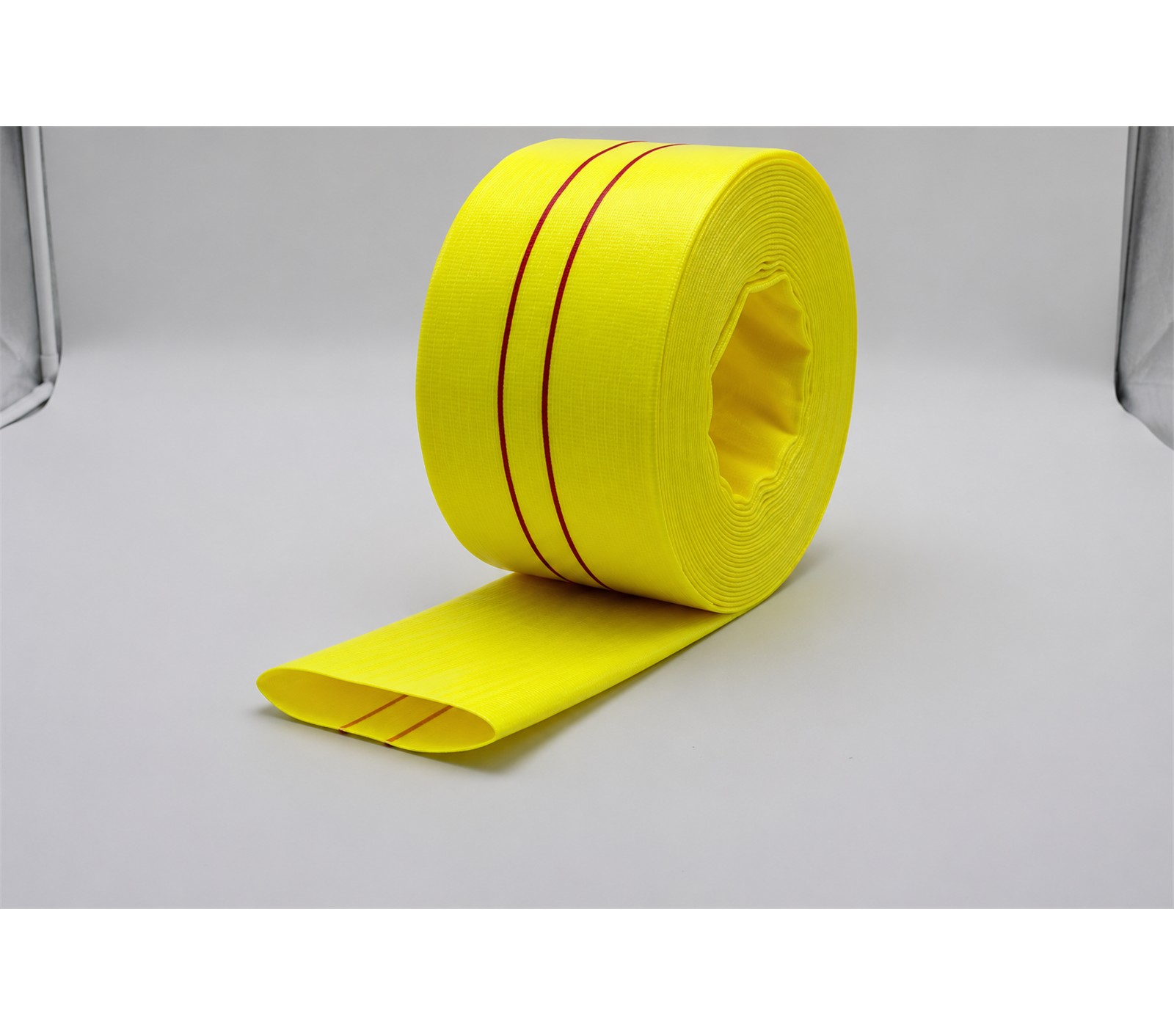
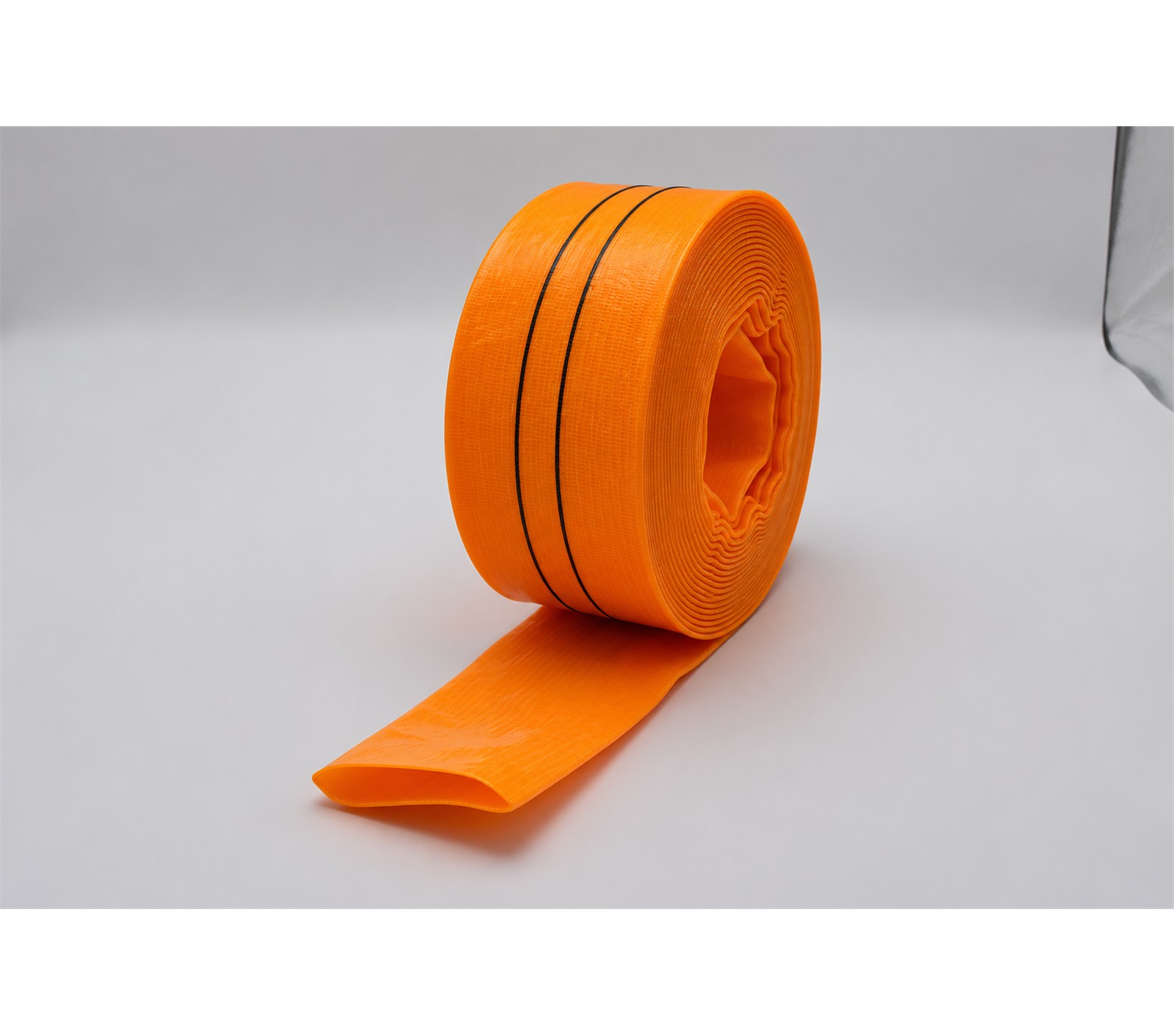
Heavy-duty, light-duty and source-listed Clear PVC layflat variants are shown separately. Grade names do not establish pressure, wall thickness or chemical compatibility. The Clear listing is illustrated by an orange roll, so confirm appearance and transparency with a current sample. Request the supplied size-specific specification instead of applying another layflat hose pressure table.