Hose Assembly Equipment Buying Guide
Plan the complete assembly workflow
Hose processing equipment should be selected around the hose-and-fitting system and the required assembly process. Cutting, skiving, crimping and pressure testing serve different functions. Buying one machine by a nominal hose-size range does not establish compatibility with every hose construction or fitting series. Start with the products to be assembled, their approved process requirements and the expected production arrangement. Then compare the reference configurations on the individual equipment pages and agree the final supply scope.

Define the hose and fitting combinations
List the nominal hose sizes, actual outside diameters and reinforcement constructions that the workshop needs to handle. Identify the fitting system and the applicable assembly dimensions. A quoted range such as 1/8–2 inch is a reference range, not proof that all fitting series within it can be processed with one die or tool set. For each proposed configuration, confirm the required tooling, adapters, accessories and changeover arrangement. Provide representative drawings or part references where the connection geometry matters.
Compare crimping configurations by model
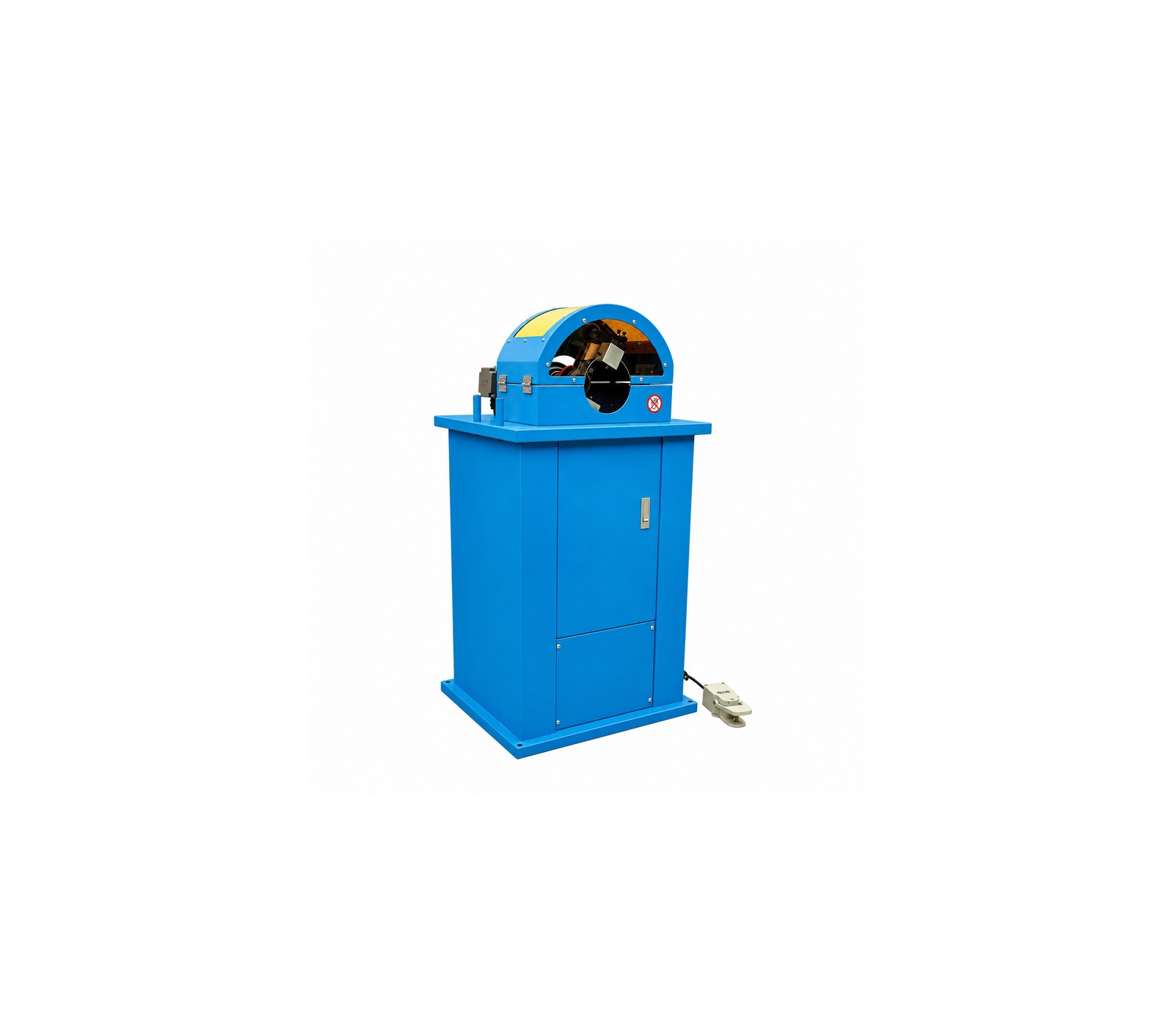
The crimping reference includes powered cabinet configurations and manual alternatives. Their die quantities, head openings, motor powers, weights and dimensions differ. The illustrated PR51-C-style cabinet must not be used as a photograph of every model in the comparison table. Read the values in the same model row and distinguish an opening without dies from another opening reference. Machine hydraulic-circuit pressure is also different from the service rating of the hose assembly being produced. Confirm the approved crimp specification and die package for the intended hose-and-fitting system.
Specify cutting and skiving requirements
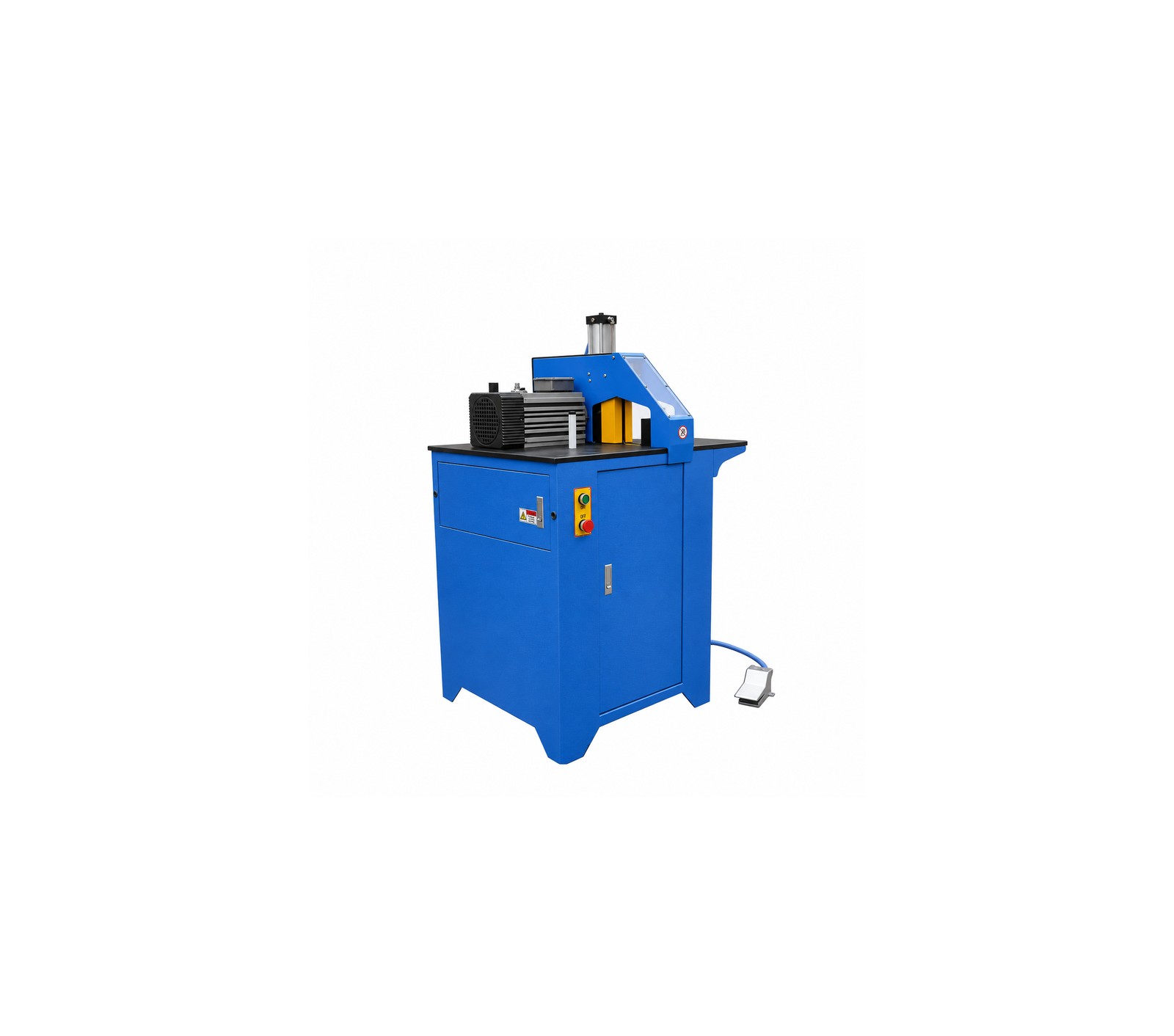
For cutting equipment, state the hose construction, outside diameter, cut-length arrangement and required output. Confirm the blade and machine capacity for that combination. For skiving equipment, identify whether the fitting system requires external, internal or combined preparation and specify the approved method. The reference sheets contain several broad labels that need application-specific confirmation. Do not infer a universal cutting or skiving capacity from an undefined range field or from a similar-looking machine photograph. Agree the selected configuration and tooling in the quotation.
Separate equipment ratings from test requirements
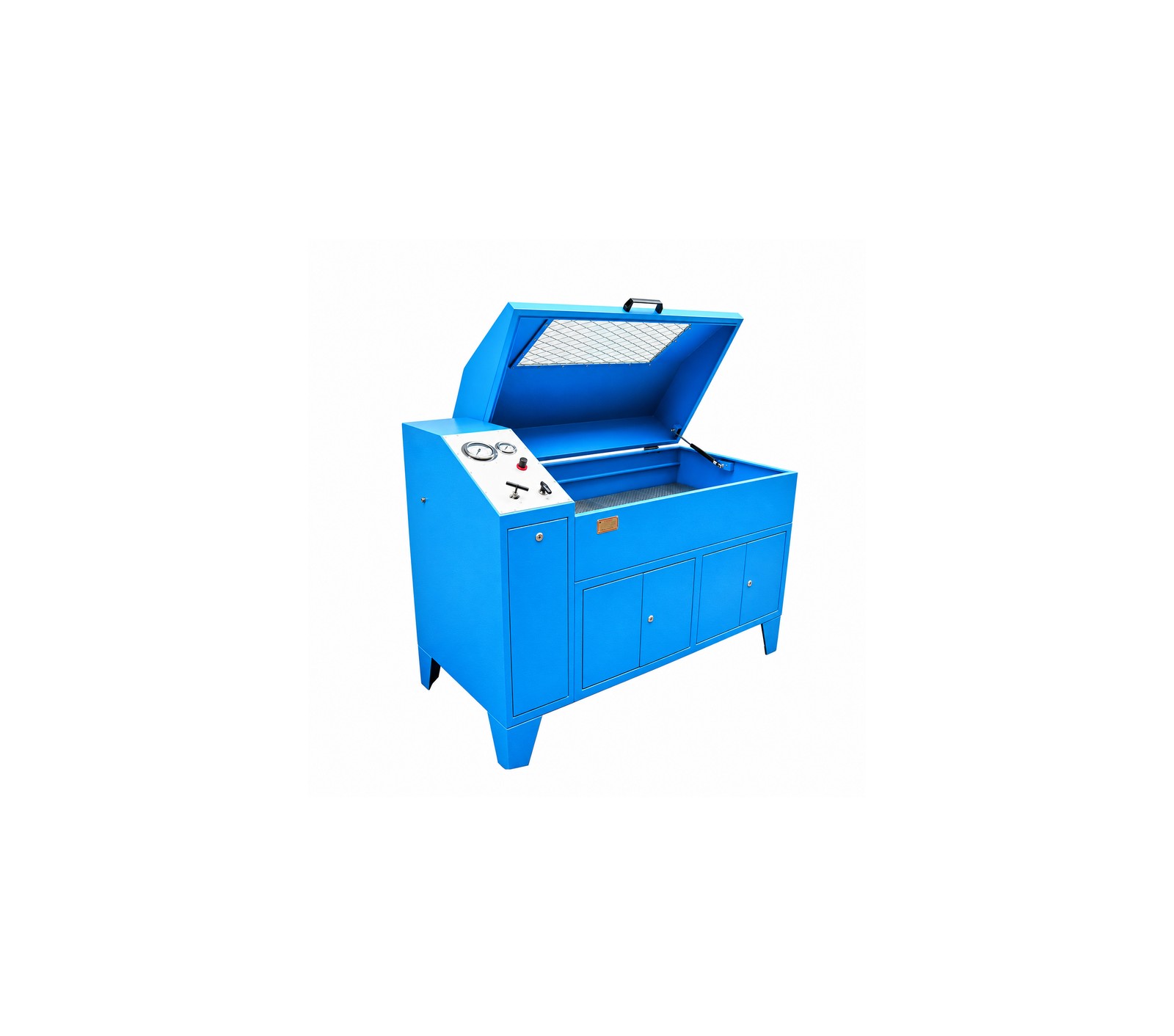
A pressure-test bench is selected for an intended testing workflow, including the assembly, medium, connections, required pressure range and documentation. The TM160 reference lists a 150–1300 bar equipment range, 0.8 MPa rated air pressure and a 30 L effective volume. Those values do not instruct the user to test every hose assembly at the bench maximum. The test requirements must suit the actual assembly and the approved procedure. The pumping-capacity entry in the source is ambiguous, so hydraulic delivery and air requirements need separate confirmation.
Check utilities and workshop space
Confirm the electrical supply, motor configuration and any compressed-air requirement for the selected machine. The powered references list different motor powers, while manual configurations have a different operating arrangement. Compare the stated dimensions and weights with the planned workshop installation and handling provision. Identify access for the operator, tooling changes, material feed and maintenance. Do not substitute the size or weight of another model when planning the installation. Confirm the exact supplied configuration, utilities and accessories before ordering.
Prepare a configuration-specific enquiry
Send the equipment function, preferred reference model, hose-and-fitting combinations, required size range and production arrangement. Include the utilities available, tooling and adapter needs, inspection or documentation requirements and quantity. Identify any uncertain capacity field that needs clarification. Kaida can use these details to review the quotation scope without assuming that one catalogue configuration fits every workshop. Agree the final model, performance definitions, tooling, supplied accessories and installation requirements in the order documentation.
Products in This Category
Send your hose processing equipment requirements to Kaida.